I spent six weeks in Lagos, and it seems like things have worsened since my last visit. It seems like the city is not designed to accommodate the poor, yet it is filled with impoverished people. Inequality dominates more than ever before, and I wonder how people can still survive in these conditions. Everything was expensive, from transportation to food, accommodation, and almost non-existent electricity. It was alarming to see that even basic amenities like electricity were only available to those living in affluent areas. However, these issues will not be the topic of today’s blog.
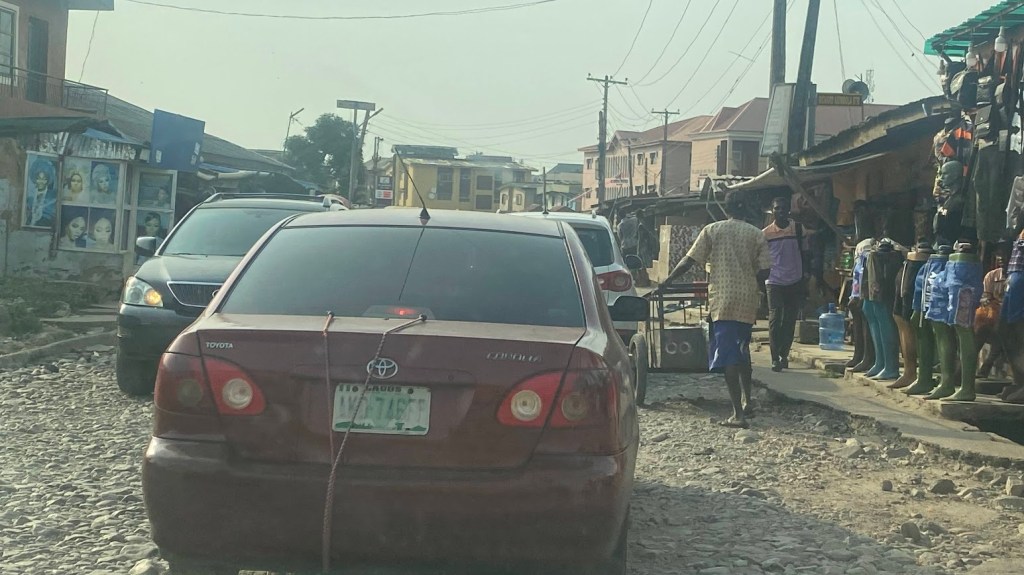
Population health is affected by transportation, and bad roads can be a major health problem. Imagine driving on a road that is full of potholes and uneven surfaces, just like the picture below depicts. It may seem like a minor inconvenience, but it is a serious public health concern that has been ignored for far too long. Consider the fact that not just one or two people are affected by these bad roads, but thousands of people travel on them every day. Think about the impact this has on their health and well-being. Poor road conditions significantly impact our physical and mental health. This blog post explores the varied health implications of bad roads and underscores the urgent need for better road infrastructure in Lagos and other states in Nigeria.
Photo: Adenike
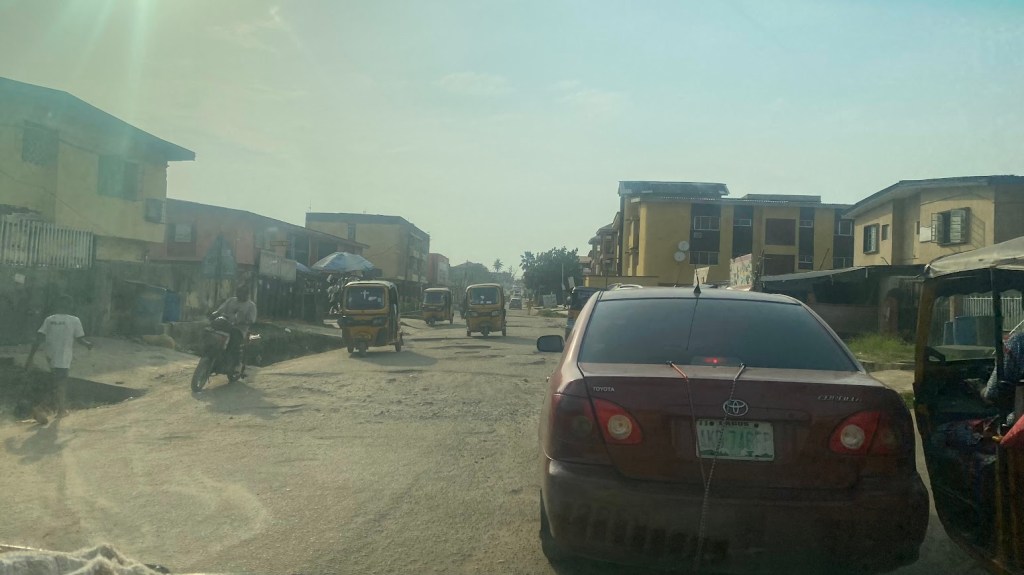
Bad roads in most cases affect the physical health of daily commuters, and are notorious for causing vehicular accidents, leading to injuries ranging from minor bruises to severe trauma. But the impact of bad roads is more than accidents. Daily commuters navigating these roads often suffer from back pain, spinal issues, and posture-related problems due to constant jolting and vibrations. I wonder how Tricycle (Keke Napep) divers survive because they are the most affected by these bad roads. I plied the Ilasa Maja road and sleeping at night was more like a war as I suffered severe back pain and headaches throughout the night. According to research, bad roads also lead to bad cardiovascular health, hospitalization, disability, and premature death.
The impact of driving on poorly maintained roads on mental health is often neglected. The need for constant attention to avoid potholes and unexpected obstacles can lead to increased stress and anxiety experince not only by the drivers but also by the passengers. This chronic stress can contribute to long-term mental health issues such as depression and anxiety disorders. Thinking that you are about to take a particular route with a bad road to work or to school alone is mentally challenging. The frustration and anger caused by traffic jams on these roads can escalate to road rage, which affects our emotional well-being as well as our relationships with others.
Photo by: Adenike
Bad roads are therefore more than just a transportation issue. They are a significant public health concern that need to be addressed by all stakeholders. The physical and mental health impacts require the need for immediate action to improve road conditions by both the State and Federal governments. As a community, we also have roles to play. We must push for better infrastructure and make conscious efforts to mitigate the effects of bad roads on our health. Remember, every journey towards better health begins with a single step, or in this case, a smooth and safe road for everyone.
Translating scientific books into local languages in Nigeria is a significant endeavor with multiple benefits. Nigeria is rich in linguistic diversity, with over 250 ethnic groups and numerous indigenous languages. While English serves as the official language and a means of communication between different ethnic groups, translating scientific books into local languages can help bridge the language barrier and improve accessibility to scientific information for non-English speakers. Nigeria is a diverse country with different ethnic groups, each with its own language and culture. Some of the major languages spoken in Nigeria include:
Hausa: Hausa is one of the largest ethnic groups in Nigeria and its language is widely spoken in the northern part of the country. It is also widely spoken in neighboring countries like Niger and Ghana.
Yoruba: Yoruba is spoken primarily in the southwestern part of Nigeria. It is one of the most widely spoken indigenous languages in the country and has over 40 million speakers.
Igbo: Igbo is spoken by the Igbo ethnic group primarily in the southeastern part of Nigeria. It is one of the three major ethnic groups in the country and has millions of speakers.
Fulfulde: Fulfulde, also known as Fula or Fulani, is spoken by the Fulani ethnic group across different regions of Nigeria. It is also spoken in other West African countries such as Senegal and Mali.
Ibibio: Ibibio is spoken by the Ibibio people primarily in Akwa Ibom State in southern Nigeria. It is one of the languages in the Niger-Congo language family.
Kanuri: Kanuri is spoken by the Kanuri ethnic group in northeastern Nigeria, particularly in Borno State. It is also spoken in Niger, Chad, and Cameroon.
Tiv: Tiv is spoken by the Tiv people in Benue State and other parts of central Nigeria.
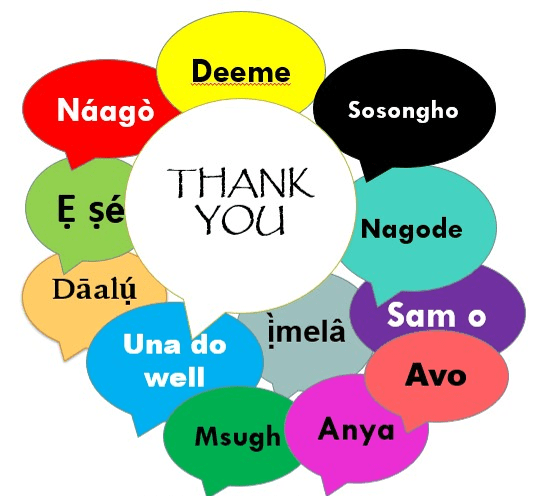
These are just a few examples of the diverse languages spoken in Nigeria. Each language represents a distinct cultural identity and plays a significant role in shaping Nigeria’s rich heritage. One example is the translation of scientific books into Yoruba, one of the most widely spoken indigenous languages in Nigeria with over 40 million speakers. Despite its prevalence, there is a lack of scientific literature available in Yoruba. Many scientific books are written in English or other widely spoken languages, creating a gap in accessing scientific information for non-English speakers. Translating these books into Yoruba can break down this barrier and provide people with valuable knowledge that can empower them to improve their lives.
A Yoruba Poem. Almost every Yoruba person knows this poem. Image source: here
In addition to accessibility, translating scientific books into local languages has other benefits. It plays a vital role in preserving linguistic diversity, as every year numerous languages worldwide become endangered or extinct. Translating scientific books into local languages, such as Yoruba, helps ensure that these languages remain relevant and in use, safeguarding Nigeria’s cultural heritage.
Moreover, translating scientific books into local languages can have a positive impact on the development of technology within the local context. By localizing scientific knowledge to the language, culture, and traditions of a particular community, individuals are encouraged to utilize their unique knowledge, culture, and local resources in solving national or global problems. This approach fosters innovation and can lead to new inventions and discoveries that might not have been possible without the translation of scientific books into local languages. Translating scientific books into local languages in Nigeria can be achieved through several steps and collaborations. Here are some ways to accomplish this:
Identify target languages: Determine the local languages in Nigeria that have a significant number of speakers and would benefit from having scientific materials translated. Consider the number of speakers, cultural significance, and accessibility.
Engage translators: Recruit qualified translators who are fluent in both the source language (e.g., English) and the target local language. These translators should have a strong understanding of scientific terminology and concepts to ensure accurate translations.
Form translation teams: Establish translation teams comprising native speakers of the target local language, along with experienced scientific translators. This collaboration ensures that the scientific material is accurately translated while preserving the cultural nuances and linguistic integrity of the local language.
Develop terminology glossaries: Create comprehensive glossaries in each target local language that include scientific terms and their equivalents. This facilitates consistent translations across different books and ensures accuracy and clarity.
Provide training and resources: Offer training and resources to translators, including workshops on scientific terminology, writing styles, and effective translation techniques. This helps maintain translation quality and ensures that the local languages are capable of handling scientific concepts.
Collaborate with publishers and institutions: Collaborate with publishers, educational institutions, and scientific organizations to support and promote the translation of scientific books. Seek partnerships that can provide funding, technical support, and distribution channels to make the translated materials widely available.
Implement peer review: Establish a peer review process where experts in the field review the translated materials for accuracy and clarity. This quality assurance step ensures that the scientific information in the translated books is reliable and meets high standards.
Promote awareness and usage: Launch campaigns and initiatives to raise awareness among the target local language communities about the availability and importance of scientific books in their languages. Encourage the usage of the translated materials in educational institutions, libraries, and other relevant settings.
Evaluate impact: Continually evaluate the impact of the translated materials by assessing their usage, gathering feedback from readers, and measuring the improvement in accessibility to scientific knowledge for non-English speakers. This feedback loop helps refine the translation process and demonstrates the value of the initiative.
The government can play several roles in facilitating the translation of scientific books into local languages:
Financial support: The government can allocate funds specifically for the translation of scientific books into local languages. This funding can be used to hire qualified translators, provide training and resources, and support the overall translation process. Financial support from the government can make the endeavor more sustainable and increase the availability of translated scientific materials.
Policy development: The government can develop policies and guidelines that encourage and prioritize the translation of scientific books into local languages. This can include incentives for publishers and institutions to invest in translation efforts, as well as regulations that promote the use of translated materials in educational settings. By setting clear expectations and creating a supportive environment, the government can drive the translation initiative forward.
Collaboration and partnerships: The government can foster collaboration between stakeholders, including publishers, educational institutions, scientific organizations, and local communities. By facilitating partnerships, the government can create a network of support that enhances the translation process. This can involve connecting translators with publishers, coordinating distribution channels, and providing technical assistance.
Capacity building: The government can invest in capacity-building initiatives that aim to develop a pool of skilled translators proficient in both the source language and the local languages. This can be achieved through training programs, workshops, and scholarships. By investing in the skill development of translators, the government helps build a sustainable infrastructure for future translation projects.
Resource mobilization: The government can help mobilize additional resources, including technological tools and linguistic resources, to support the translation process. This can involve partnerships with libraries, research institutions, and other organizations that can provide access to relevant resources and databases necessary for accurate translations.
Quality assurance: The government can establish quality assurance mechanisms to ensure that translated scientific books maintain high standards. This can include setting up review committees or panels of experts who assess the accuracy and clarity of the translated materials.
Promotion and distribution: The government can take an active role in promoting and distributing translated scientific books. This can involve organizing book fairs, conferences, and exhibitions that highlight the availability and importance of the translated materials. The government can also collaborate with educational institutions to integrate the translated books into curricula and establish libraries where they can be accessed by students
In summary, Nigeria is a diverse country with over 250 ethnic groups and numerous indigenous languages. English serves as the official language, but there is a need to translate scientific books into local languages to improve accessibility for non-English speakers. Translating scientific books into local languages, such as Yoruba, can bridge the language barrier, preserve linguistic diversity, and foster innovation. The process involves identifying target languages, engaging translators, forming translation teams, developing terminology glossaries, providing training and resources, collaborating with publishers and institutions, implementing peer review, promoting awareness and usage, and evaluating impact. The government has a role to play by providing financial support, developing policies, fostering collaboration, building capacity, mobilizing resources, ensuring quality assurance, and promoting and distributing translated books.
I made my first trip to Spain at the beginning of April to the University of Cadiz (Universidad De Cadiz). This visit was not for fun but to analyze pharmaceutical compounds in seawater samples obtained from the North Sea Thanks to my research group; processes and sensors of the marine interfaces for helping to collect the samples during the Heike Cruise in March 2023.
The University of Cadiz is in Cadiz Province located in the southwestern part of Spain. The University according to Global Higher Education was founded in 1979 with an origin that can be traced back to the 15th century. The University has four different campuses which are located in four different cities. The cities are Cadiz City, Puerto Real City, Jerez City, and the Bay of Algeciras. Each campus has different faculties. For instance, the College of Engineering, Health, and Computer Sciences are on the Cadiz campus. Administrative work is said to be on this campus.
On the other hand, studies relating to Education, Marine sciences, and natural and Environmental sciences are on the Puerto Real campus. I, therefore, visited this campus for the analysis of my seawater samples for two weeks. I must say that it was a wonderful experience 😍😀.
We left on the 10th of April in the morning with samples as my supervisor came to pick me up to the airport (Hamburg). It was indeed a good trip with her and I am so lucky to have such a very nice supervisor. Because of the samples, we had to leave as early as possible in the morning to be able to check in the extra luggage. Checking in was good and effective. Flight takeoff and landing were also good only to get to the airport (Jerez airport; the closest airport to Cadiz) without my samples and other luggage arriving at the same time with me. My host at the University Professor Pablo Lara-Martin communicated effectively with the customer care service of the flight. I could not speak Spanish. I knew that speaking English with customer care would not afford me the full information needed for the location of my luggage 😀. Thus, with his effective communication technique, we were able to locate the samples and my other luggage. They were delivered to the University the next day and I was really happy. Information about sample processing and results will be published in a scientific journal and later posted on this page.
My host was the head of the Physical Chemistry Department in the Faculty of Marine and Environmental Sciences, at the University. The research group majored in the distribution and analysis of pharmaceutical compounds in coastal environments, estuaries, and wastewater treatment plants. They have expertise in different types of chromatography and mass spectrometry most especially in ultra-performance liquid chromatography and triple quadrupole mass spectrometry. You can find some of their publications here. All the people in the research group are nice, welcoming, and accommodating. I would love to visit the school again and I look forward to more collaborations 😍😀.
Now let’s talk a little bit about Cadiz and the reasons why you should visit this amazing place. Cadiz is located in the southwestern part of Spain. The City is very rich in culture and all-around beauty. According to Biel-Maeso et al. (2018), the city has a total number of 430,000 inhabitants, five ports, and many shipyards and because the city is an island, its important attribute is fishing tourism. So, if you are interested in fishing and tourism pack your bags and head to Cadiz for an unforgettable experience.
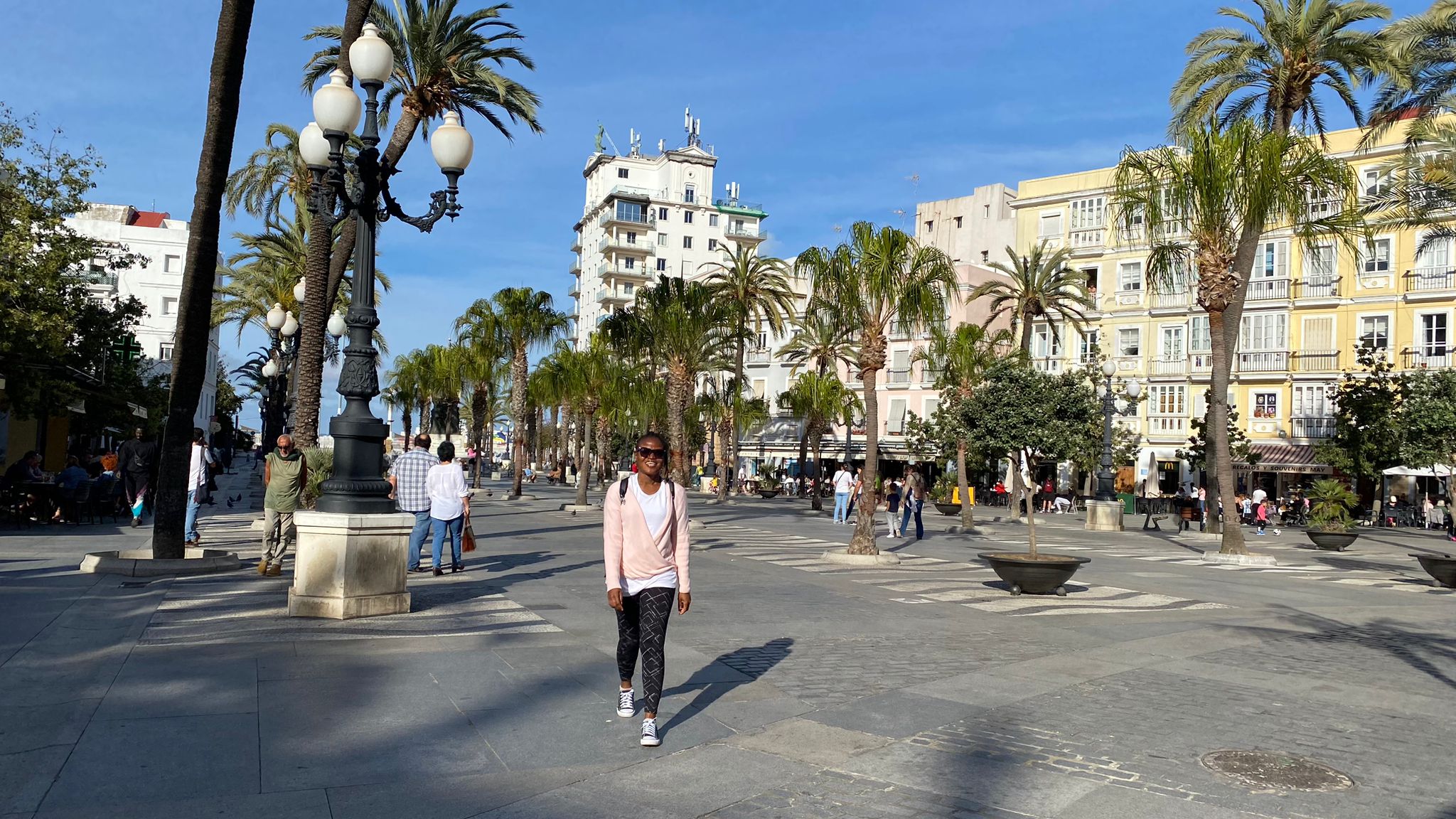
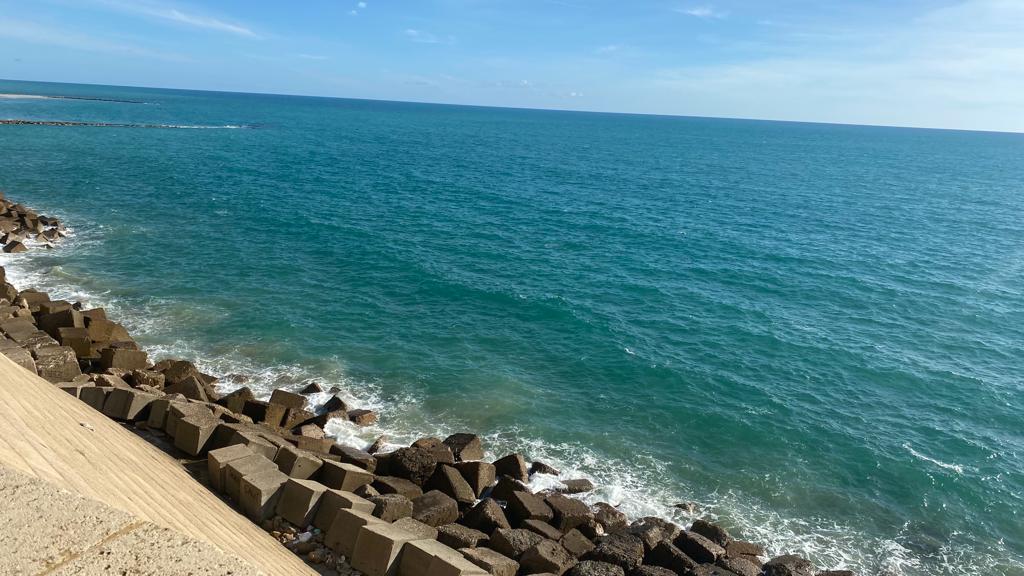
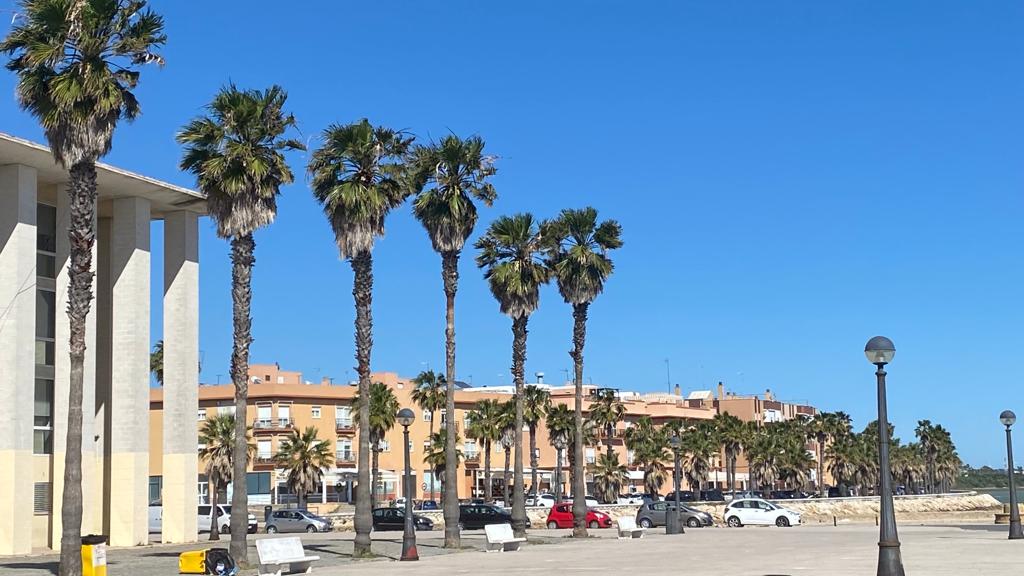
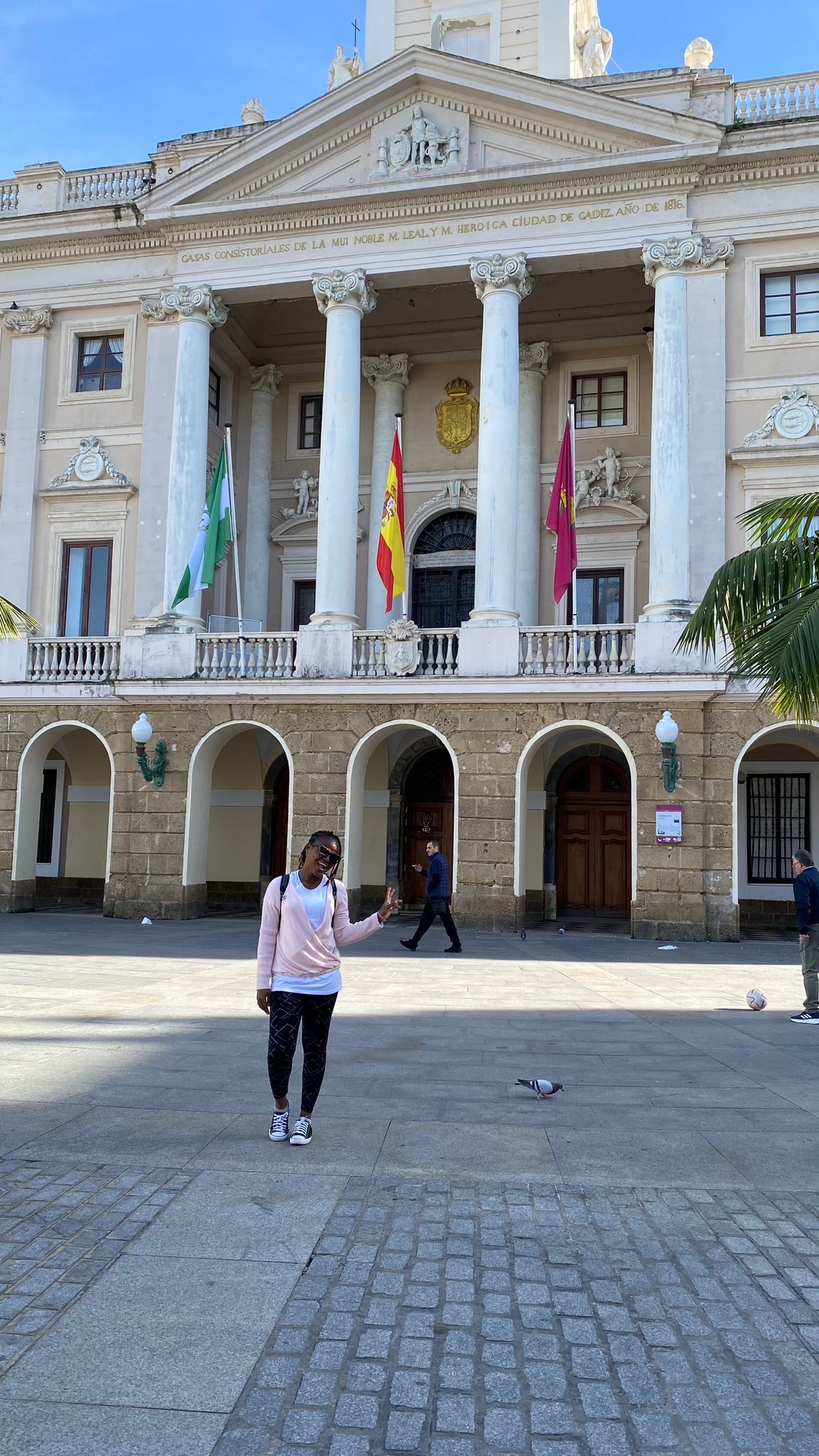
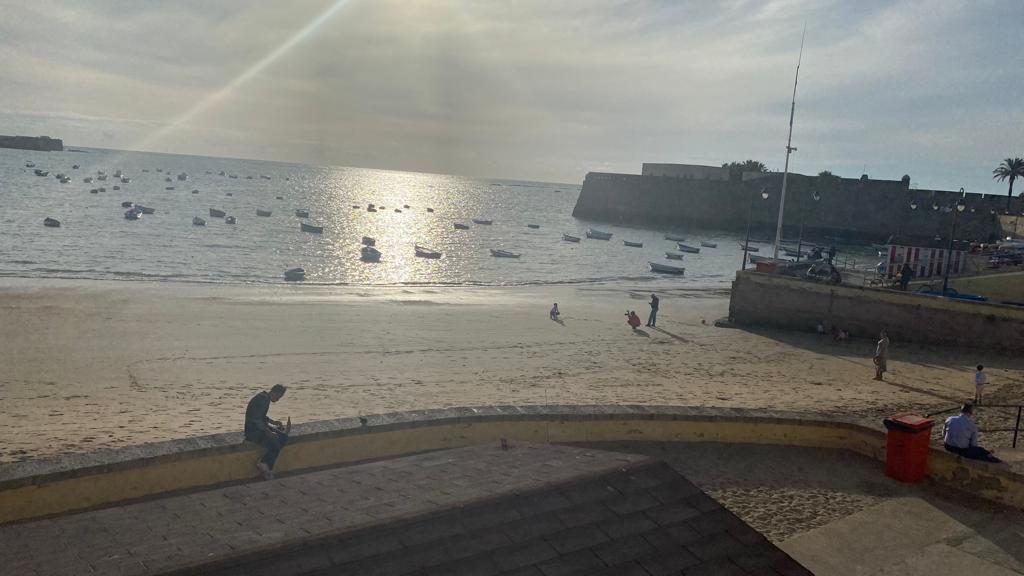
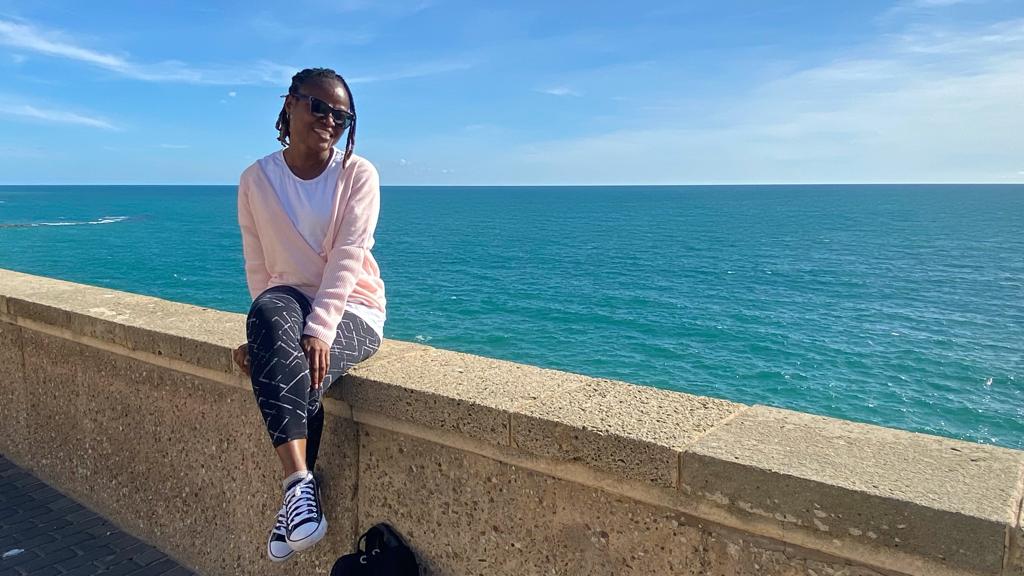
Even though was busy analyzing my samples during my two-week stay at the university, I had the chance to visit the city on my last day there with a couple of wonderful friends and I was overwhelmed by the beautiful scenery that radiates over the city. I have not been to other cities in Spain but I can say that Cadiz can be the perfect destination if you want to experience Spain’s true essence. Please see the pictures below.
Another important aspect of the city is the transportation system which is typical of the European transportation system. Transportation is not only good but also very cheap. You however have to purchase the popular transportation card and load the card with maybe 10 Euros. This will be affording you over 90 % discounts on transportation by bus. For instance, commuting to the University from Puerto Real resident with the card in most cases costs me only 34 cents. Without the cards, I once had to pay 2.30 euros 😩.
Overall, my trip to the University of Cadiz was an unforgettable experience, full of research experience and natural beauty. If you are a student and you are planning to visit the University for a research stay, depending on the location of the department you intend to visit, you can choose to stay in Puerto Real or Cadiz. Even though both are in the same Cadiz province, they are two different cities and are located some kilometers (30 minutes max) away from each other. If you plan to visit the Puerto Real campus, staying in Puerto Real will save you some time in communing with the University every day. But you can also stay in Cadiz for full culture, history, and beautiful scenery experiences.
One-Time
Monthly
Yearly
Please support my blog and make a one time donation.
Power, today,comes from sharing information, not witholding it- keith Farrazzi
We have all been to a stage where we must take a step forward academically. We are often left with various choices, which could be whether to study in our home countries or study abroad. If the latter is the case, we are still left with the question ”which country”? The US, Germany, United Kingdom, Canada, Sweden, Belgium, Demark, India, China, etc. In my case, I knew I had to further my studies after my bachelor’s degree in Nigeria. I had worked for three years and just wanted to advance in knowledge. I had three choices regarding where (the country) to further my studies. My choices were (i) my home country, (ii) the United Kingdom, and (iii) Germany.
Even though I had registered for a master’s degree program and was about to do the entrance examination at the University of Lagos, Nigeria, I changed my mind because I wanted to study abroad to gain international experience. Hence, I narrowed down my choices to the United Kingdom and Germany. In the end, I opted for Germany for several reasons. It was a great decision because I did not regret any ounce of the choice that I made. Several factors informed my decision to study in Germany and some of these reasons will be mentioned below.
Education is Free. I am always surprised when students contact me and asked about how much I am paying for the tuition fee in Germany. It is important to note that unlike the UK, Canada, the US, and other Western countries, education in Germany is free even for international students. Although there are some private universities for example Jacob University Bremen that charge at least 29,000 Euros for all sessions depending on your program. Universities like Jacob University Bremen are however very few. Many universities in Germany are public universities and you do not need to worry about paying any ridiculous amount as tuition fees.
Many Universities in Germany do not charge tuition fees except for what is usually called the ”semester contribution” which can be as little as 200 Euros depending on the school. This information is usually displayed on the university’s website, so you must do your research about the exact amount in your university of interest. It is also worth noting that the semester contribution changes every semester. But the difference is still within the affordable range. The semester contribution offers numerous benefits to students. First, paying the semester contribution confirms your enrolment into the school. Secondly, paying the semester contribution will allow you to obtain a semester card. With the semester card, you can travel (by bus, tram, S-Bahn, and U-Bahn) to all parts of your city without having to buy a ticket. You can also travel by train to neighboring cities without having to buy a train ticket.
Like other Western countries, universities in Germany have state-of-the-art resources and equipment which facilitate effective learning and research experiences. Most universities are also affiliated with research institutes and students are in most cases integrated into the German research cultures. The most interesting part is that students do not have to pay a dime for using the school’s resources and equipment for study and research purposes. This is contrary to what we have in some universities in Africa and other countries. You however must be under adequate supervision and be affiliated with a research group before you can utilize many of this research equipment.
Most Master courses are taught in English. Even if you need the German language for your everyday life in Germany, you do not need to learn the language before you are allowed to study in the country. This may also depend on the program you are coming to study. As previously stated, the language of interaction for many master courses is English. Although, this may be different for some Bachelor courses which use English and German as the language of instruction. This will be clearly stated on the school website and in that case, it would only make sense if you can take your time to learn the language. PhDs also do not require you to learn the language, but this will be discussed in a later post.
Some Universities in Germany do not require English language exams such as IELTS, TOEFL, TOEIC, and Cambridge for application. You must however show that English was the language of instruction during your undergraduate days by obtaining a letter from your alma Mata that clearly states this. Many Universities will, however, request English language exams, so I strongly advise writing either IELTS or TOEFL as they will increase your chances of getting admitted to the University of your choice and will not restrict your application to the schools that you do not want.
That said, here are some tips to help you navigate your study journey to Germany.
Be informed about universities in Germany and their requirements.
Information comes in different ways, and you need to get all the information you need to start preparing for your study journey to Germany. Information is key. Even with technological advancements which have resulted in the availability of much information online, many people are still either uninformed or underinformed. I was also guilty in this regard. Before I opted for Germany, I did not inform myself about the country so most of my focus was to study in the UK. It was a friend who hinted to me that education in Germany is free and that was it. After then, I tried my best to make better use of the internet. I was always searching and clicking around. I did this for about three months, and it felt as if I know almost everything about all the Universities in the country 😂. A year later, I started my master’s degree program in Germany. To be informed about universities in Germany and their requirements, here are what you should do:
Write it. Shoot it. Publish it. Crochet it. Sauté it. Whatever. Make it- Joss Whedon
First, get a new notebook for this specific purpose.
Start by simply typing ‘Universities in Germany’.
Pick the first school on the list and navigate your way through the site to where their courses are listed.
Did you find your course of interest? if not, close the page and move to the next school. If yes, click further to check the school’s requirements for the course. Here you should
Write down the name of the school and the course that interests you.
Check for the application start dates and deadlines and write them down
List all their requirements and check mark with ✔️ if you have and with ✖ if you do not have some of the requirements.
Write down the application process.
Some universities (majority) in Germany require that you do not apply directly to them but to the national service provider called Start | uni-assist. If this is the case, you will have to apply to the school through this service provider and their websites are simple.
Most Universities in Germany have pages on their website that contain information for international students. This page contains information about how to organize your life and navigate your way to the city of the school. These pages also contain information on where you can get help (not monetary) or whom you can contact when you need help. Ensure that this page (on the website of the university you are interested in) becomes your friend when you start your study journey and visit it quite often
Try as much as possible to write down at least 5 Universities that you are interested in and start working on getting all their requirements one after the other.
Most Universities in Germany require that you notarize your documents before sending them down during the application process. Please take note of this because it may result in multiple admission rejections as I experienced. Simply take your original documents and photocopies to any notary public close to you and have them notarized.
Send in your application immediately after the application process opens and your documents several weeks before the application process ends. As previously stated, apply to at least five Universities.
Be informed about the Embassy requirements, and appointments.
Big achievements come one slight advantage at a time, one step at a time, one day at a time- Jim Rohn
Now that you have sent in your applications, do not wait for your admission letters to arrive before you start making the next move. This includes working and check marking the documents you will need for your visa application. You can do this by visiting the websites of the German Embassy in your home country. The websites are usually straightforward, and they have a particular checklist (pdf) that contains all the required documents.
The reason why you need to start working on getting those documents is that booking an appointment for your visa application at the embassy is not easy as many people are booking appointments at the same time. Sometimes, the embassy may be booked out for several months and this may not favour you eventually when your admission letter arrives.
As previously stated, Embassy’s website has listed all requirements you would need for your visa application. Please pay attention to all the information on the website. One of the most important documents is the proof of funding which can be a blocked account with a minimum disposal sum of 934€/month (for 12 months), a letter of commitment (called a sponsorship letter from a relative or a friend living in Germany) or with credit scholarship letter. The essence of the proof of funding especially the block account is to show that you have money to cater for yourself in the first year of your studies. All the requirements are achievable, all you need is to take one step at a time.
You can book your appointment even before getting all the documents. You just need to take each step towards achieving your goal and get all the documents before going for your appointment. Your admission letter is also an integral part of your visa application process. If you apply correctly and meet all the requirements of the school, that should not be a problem. Once your documents are ready and you have attended your visa application interview, it takes about 4-6 weeks for your student visa to be ready.
Sort out your accommodation.
Before you get your visa approval email, it is essential to start sorting your accommodation out. Accommodation is one of the challenges you may have to face depending on the city you are going. and as such it’s crucial that you start looking for accommodation early before you leave your home country. Here are some tips you need to secure housing before you head to your place of study.
Apply Accommodation in many universities in Germany is managed by a special department called the ”Studentenwerk Wohnheim’’. If you are coming for your master’s or bachelor’s degree, it is best to apply to the ”Studentenwerk Wohnheim in your school. This is because accommodation managed by the Studentenwerk is always affordable. Ensure that you send them emails regarding your arrival.
Build a support network. Before leaving your home country, find other international students and make friends in the city you are heading to. You can make use of LinkedIn and other social media platforms such as Facebook, Twitter, and TikTok in finding people. Don’t be afraid to ask for help if you need it. I have met numerous international students via LinkedIn. All you need to do is to type the name of your school on LinkedIn and send a direct message to people you may be acquainted with. You will be surprised at the level of help you will receive.
Download and make use of such applications as WG and eBay. People often advertise their rooms or apartments on these applications. Don’t be afraid to apply to any room you find affordable. Also, send direct messages to people and ask questions via the apps.
Make use of your international student web and social media pages. People also advertise accommodations there.
Apply for a buddy through the buddy program of your school. A Buddy is someone who volunteered to show you around the city when you arrive. It is not the duty of your Buddy to get any accommodation or provide any information in that regard for you. Your Buddy can however help in speaking or interpreting the language for you when it is needed.
Once you arrive, attend the orientation at your school to meet new people. Learn about the local culture and get acquainted with the campus. Get to know your city by taking a stroll around and exploring exciting places. Your studies are paramount and as such, ensure that you excel in all your courses. Do get in touch if you need further information. I wish you all the best in all your endeavours.
Dreams can come true, but there is a secret. They’re realized through the magic of persistence, determination, commitment, passion, practice, focus and hard work. They happen a step at a time, manifested over the years, not weeks- Elbert Hubbard












 Everything Health and Education