Imagine a scenario where a patient presents with a severe bacterial infection, and the laboratory results reveal a troubling trend. The bacterial isolate responsible for the infection shows susceptibility to just one out of 7 antibiotics it was subjected to. This means that out of the several antibiotics typically used to combat bacterial infections, only a single option remains effective. It’s a situation that can send alarm bells ringing in the minds of healthcare providers, as it severely limits their treatment choices. But how did we get here? Why do some bacterial strains become so stubbornly resistant to multiple antibiotics?
For the record, the Bacterial isolate above was obtained from a coastal environment which is also known as the marine environment and was subjected to 7 different antibiotics. It is generally studied that antibiotics are released into marine environments through several sources but the dilution effects of the environment have in most cases led to their low concentrations. Low concentrations of antibiotics, however, can results into the development of antibiotic-resistant bacteria in the environment which can be troublesome for people and the environment. Antibiotic resistance is considered the 10th threat affecting our ecosystem globally.
Let us go back to the question of how and why. Several factors contribute to the situation where bacterial isolates exhibit limited susceptibility to antibiotics. One of these factors is the indiscriminate consumption of antibiotics, especially in areas where antibiotic usage is not regulated. This leads to the adaptability of bacteria over time. Bacteria can evolve and develop defense mechanisms against the antibiotics we use to combat them. This evolution can result from genetic mutations within the bacterial population, allowing resistant strains to survive and propagate.
Also, When antibiotics are used without completing a full course of treatment, it creates an environment where only the strongest and most resistant bacteria survive, passing on their resistance traits to future generations. As a result, we find ourselves facing bacteria that are increasingly resistant to multiple antibiotics, leaving us with limited options for treatment.
To address the challenges posed by isolates with limited susceptibility, the field of microbiology and medicine is continually evolving. Precision medicine approaches are gaining prominence, wherein treatment plans are tailored to the specific genetic characteristics of the infecting bacteria. This targeted approach aims to maximize the effectiveness of the chosen antibiotic and offer hope in situations where antibiotic options are limited. This emphasizes the importance of ongoing research and adaptation in the fight against antibiotic resistance.
How else do you think we can fight against antibiotic resistance?
Children are the hope and future of the universe. Nigeria has one of the largest populations in Africa, and a significant portion comprises children. The total number of children in Nigeria (defined as individuals under 18) is estimated to be around 100 million. According to the National Population Commission (2013), the rate of uneducated children especially in rural areas was high in 2013 as only 1.4% of them completed secondary education. More than 70 % were however enrolled in primary education as of 2018. While there has been progress in increasing access to education in Nigeria, there are still challenges to ensuring that all children have access to quality education because UNESCO estimated that 13.2 million children of primary school age and 10.5 million children of lower secondary school age are still out of school in Nigeria. These figures are high considering the impacts of illiteracy on our society today but what could be the contributing factors?
One of the major barriers to education in Nigeria is the stark socio-economic inequality. As a Nigerian, I can confidently say that inequality is as high as Mount Everest in the country. You can easily differentiate a poor Nigeria from a rich one in many aspects. For instance, only the children of rich families attend private schools, wear the best dress, live in good houses, have cars, have access to good health, and many more. Many families, especially in rural and low-income areas, struggle to afford the costs associated with schooling, including uniforms, textbooks, and transportation. This results in children being forced to work or help with household chores instead of attending school. Sometimes, the pressure is so high that these children are forced to drop out of school and focus on selling sachet water in the traffics or learning something else entirely. Some children do not even sell or learn, they just drop out of school and start roaming in the street.
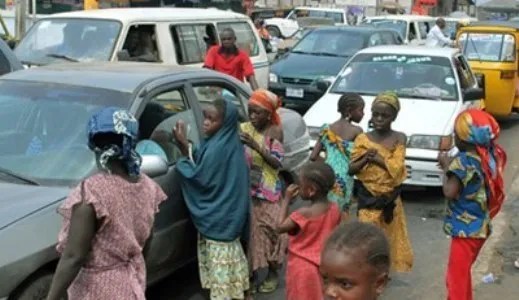
Children begging for money in the street of Lagos. Image source: here
Gender disparity is another factor contributing to the high number of uneducated children in Nigerian. Some cultures in Nigeria believe that sending the girl child to school is tantamount to a waste of money. Because the girl will eventually be married to someone else so there is no need of wasting the family’s money. Thus, early marriage is a serious issue, especially in the Northern part of the country as the girl child is given to marriage even before she reaches a marriageable age. This significantly reduces her chances of attending school. Sometimes, the girl child is given off to marriage to pay the parent’s debt. Perceptions about virginity preservation for marriage, promiscuity reduction, and sexual intercourse within a marriage context marriage in most cases lead to lower enrollment and higher dropout rates for girls compared to boys.
In regions affected by conflict and insecurity, access to education becomes even more challenging. Displaced families and damaged schools disrupt children’s access to consistent education, impacting their overall development. For this reason, a lot of families fled from their states to the Southwestern part of the country. The hardship experienced by these families is also reflected in their children as many of them cannot afford to send their children to school in Lagos. The government also does little to nothing in ensuring that these children are sent to school. Consequently, many children are seen with their family members roaming around or begging for money in the street of Lagos.
Inadequate school infrastructure is a significant challenge in Nigeria. Many schools lack proper classrooms, sanitation facilities, and clean drinking water. Many schools in Nigeria especially local or government schools also lack learning equipment. No libraries to facilitate good learning, no chairs, and no tables. Insufficient government funding for education leads to a lack of resources in schools. This includes outdated textbooks, inadequate teaching materials, and a lack of technology resources for modern learning. Children are forced to study inside dilapidated classrooms, with no laboratories to conduct simple experiments. In some cases, classes are conducted in overcrowded spaces affecting the overall learning environment. In addition, many teachers lack proper training and professional development, which affects their ability to deliver effective instruction. Lastly, Nigeria with over 200 languages presents challenges for children to learn. Studies are delivered in English which is the official language of the country. Many children especially those from a low socio-economic background do not have access to education in their native languages. This in addition to the inability to go to school can also make learning more difficult.
Children are the living messages we send to a time we will not see. – John F. Kennedy
Translating scientific books into local languages in Nigeria is a significant endeavor with multiple benefits. Nigeria is rich in linguistic diversity, with over 250 ethnic groups and numerous indigenous languages. While English serves as the official language and a means of communication between different ethnic groups, translating scientific books into local languages can help bridge the language barrier and improve accessibility to scientific information for non-English speakers. Nigeria is a diverse country with different ethnic groups, each with its own language and culture. Some of the major languages spoken in Nigeria include:
Hausa: Hausa is one of the largest ethnic groups in Nigeria and its language is widely spoken in the northern part of the country. It is also widely spoken in neighboring countries like Niger and Ghana.
Yoruba: Yoruba is spoken primarily in the southwestern part of Nigeria. It is one of the most widely spoken indigenous languages in the country and has over 40 million speakers.
Igbo: Igbo is spoken by the Igbo ethnic group primarily in the southeastern part of Nigeria. It is one of the three major ethnic groups in the country and has millions of speakers.
Fulfulde: Fulfulde, also known as Fula or Fulani, is spoken by the Fulani ethnic group across different regions of Nigeria. It is also spoken in other West African countries such as Senegal and Mali.
Ibibio: Ibibio is spoken by the Ibibio people primarily in Akwa Ibom State in southern Nigeria. It is one of the languages in the Niger-Congo language family.
Kanuri: Kanuri is spoken by the Kanuri ethnic group in northeastern Nigeria, particularly in Borno State. It is also spoken in Niger, Chad, and Cameroon.
Tiv: Tiv is spoken by the Tiv people in Benue State and other parts of central Nigeria.
These are just a few examples of the diverse languages spoken in Nigeria. Each language represents a distinct cultural identity and plays a significant role in shaping Nigeria’s rich heritage. One example is the translation of scientific books into Yoruba, one of the most widely spoken indigenous languages in Nigeria with over 40 million speakers. Despite its prevalence, there is a lack of scientific literature available in Yoruba. Many scientific books are written in English or other widely spoken languages, creating a gap in accessing scientific information for non-English speakers. Translating these books into Yoruba can break down this barrier and provide people with valuable knowledge that can empower them to improve their lives.
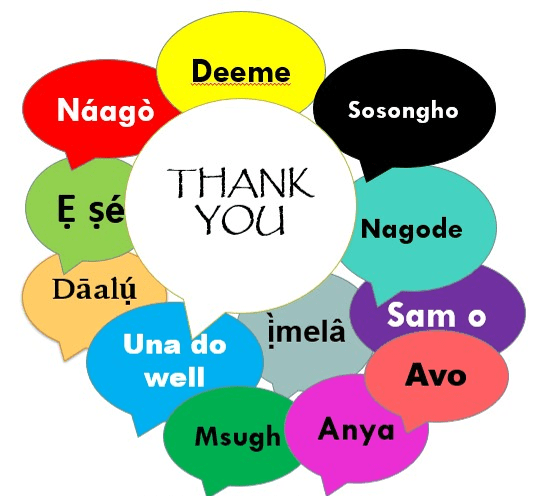
A Yoruba Poem. Almost every Yoruba person knows this poem. Image source: here
In addition to accessibility, translating scientific books into local languages has other benefits. It plays a vital role in preserving linguistic diversity, as every year numerous languages worldwide become endangered or extinct. Translating scientific books into local languages, such as Yoruba, helps ensure that these languages remain relevant and in use, safeguarding Nigeria’s cultural heritage.
Moreover, translating scientific books into local languages can have a positive impact on the development of technology within the local context. By localizing scientific knowledge to the language, culture, and traditions of a particular community, individuals are encouraged to utilize their unique knowledge, culture, and local resources in solving national or global problems. This approach fosters innovation and can lead to new inventions and discoveries that might not have been possible without the translation of scientific books into local languages. Translating scientific books into local languages in Nigeria can be achieved through several steps and collaborations. Here are some ways to accomplish this:
Identify target languages: Determine the local languages in Nigeria that have a significant number of speakers and would benefit from having scientific materials translated. Consider the number of speakers, cultural significance, and accessibility.
Engage translators: Recruit qualified translators who are fluent in both the source language (e.g., English) and the target local language. These translators should have a strong understanding of scientific terminology and concepts to ensure accurate translations.
Form translation teams: Establish translation teams comprising native speakers of the target local language, along with experienced scientific translators. This collaboration ensures that the scientific material is accurately translated while preserving the cultural nuances and linguistic integrity of the local language.
Develop terminology glossaries: Create comprehensive glossaries in each target local language that include scientific terms and their equivalents. This facilitates consistent translations across different books and ensures accuracy and clarity.
Provide training and resources: Offer training and resources to translators, including workshops on scientific terminology, writing styles, and effective translation techniques. This helps maintain translation quality and ensures that the local languages are capable of handling scientific concepts.
Collaborate with publishers and institutions: Collaborate with publishers, educational institutions, and scientific organizations to support and promote the translation of scientific books. Seek partnerships that can provide funding, technical support, and distribution channels to make the translated materials widely available.
Implement peer review: Establish a peer review process where experts in the field review the translated materials for accuracy and clarity. This quality assurance step ensures that the scientific information in the translated books is reliable and meets high standards.
Promote awareness and usage: Launch campaigns and initiatives to raise awareness among the target local language communities about the availability and importance of scientific books in their languages. Encourage the usage of the translated materials in educational institutions, libraries, and other relevant settings.
Evaluate impact: Continually evaluate the impact of the translated materials by assessing their usage, gathering feedback from readers, and measuring the improvement in accessibility to scientific knowledge for non-English speakers. This feedback loop helps refine the translation process and demonstrates the value of the initiative.
The government can play several roles in facilitating the translation of scientific books into local languages:
Financial support: The government can allocate funds specifically for the translation of scientific books into local languages. This funding can be used to hire qualified translators, provide training and resources, and support the overall translation process. Financial support from the government can make the endeavor more sustainable and increase the availability of translated scientific materials.
Policy development: The government can develop policies and guidelines that encourage and prioritize the translation of scientific books into local languages. This can include incentives for publishers and institutions to invest in translation efforts, as well as regulations that promote the use of translated materials in educational settings. By setting clear expectations and creating a supportive environment, the government can drive the translation initiative forward.
Collaboration and partnerships: The government can foster collaboration between stakeholders, including publishers, educational institutions, scientific organizations, and local communities. By facilitating partnerships, the government can create a network of support that enhances the translation process. This can involve connecting translators with publishers, coordinating distribution channels, and providing technical assistance.
Capacity building: The government can invest in capacity-building initiatives that aim to develop a pool of skilled translators proficient in both the source language and the local languages. This can be achieved through training programs, workshops, and scholarships. By investing in the skill development of translators, the government helps build a sustainable infrastructure for future translation projects.
Resource mobilization: The government can help mobilize additional resources, including technological tools and linguistic resources, to support the translation process. This can involve partnerships with libraries, research institutions, and other organizations that can provide access to relevant resources and databases necessary for accurate translations.
Quality assurance: The government can establish quality assurance mechanisms to ensure that translated scientific books maintain high standards. This can include setting up review committees or panels of experts who assess the accuracy and clarity of the translated materials.
Promotion and distribution: The government can take an active role in promoting and distributing translated scientific books. This can involve organizing book fairs, conferences, and exhibitions that highlight the availability and importance of the translated materials. The government can also collaborate with educational institutions to integrate the translated books into curricula and establish libraries where they can be accessed by students
In summary, Nigeria is a diverse country with over 250 ethnic groups and numerous indigenous languages. English serves as the official language, but there is a need to translate scientific books into local languages to improve accessibility for non-English speakers. Translating scientific books into local languages, such as Yoruba, can bridge the language barrier, preserve linguistic diversity, and foster innovation. The process involves identifying target languages, engaging translators, forming translation teams, developing terminology glossaries, providing training and resources, collaborating with publishers and institutions, implementing peer review, promoting awareness and usage, and evaluating impact. The government has a role to play by providing financial support, developing policies, fostering collaboration, building capacity, mobilizing resources, ensuring quality assurance, and promoting and distributing translated books.
Water is Life and Clean Water Means Health – Audrey Hepburn
Access to safe water is a big problem in Nigeria. This is due to the high levels of poverty associated with rural areas and the increasing urbanization and population associated with urban areas in the country. In Nigeria, more than half of the entire population does not have access to safe water making it highly unlikely for the country to achieve the UN’s sustainable development goals set for 2030 regarding the provision of quality water. The situation is worst in Lagos state, the so-called economic heart of Nigeria. I have spent more than 3 decades on Earth with 2 decades and a half in my home country (mostly in Lagos) and this problem has been there for as long as I can remember. I will start by talking about my experience as a little girl growing up in an area in Lagos with a lack of safe water.
Lagos state is divided into two areas, the mainland where the middle and low-income populations live, and the island where the high-income populations live. This housing inequality is also reflected in the distribution of safe water across the state simply because high-income households have access to safe water (either through treated pipes or through treated boreholes) while middle and low-income households depend majorly on untreated boreholes, dug wells, and water vendors. Some middle-income households on the mainland have boreholes that are not in many cases free from contaminants and dug wells are not treated at all. Fecal contaminants, pesticides, herbicides, heavy metals, and pharmaceutical compounds are therefore widespread in boreholes and dug wells that people depend on for daily use apart from drinking. Low- and middle-income households mostly buy packaged sachet water for drinking purposes.
As a girl from a very low-income family, I remember having to go several miles to fetch water with a big bucket on my head just like in the diagram below, but my bucket is in most cases bigger than that. There are different water vendors in Lagos. These vendors are people who sell packaged sachet water (mostly for drinking) and those who sell water directly from their self-made boreholes. Low-income households buy water from the latter for daily use, but you must go to the vendor to fetch the water and pay for the water you are fetching. If you are lucky, you can have this vendor in your street, if not, you must walk some miles to fetch the water with a bucket on your head.
As a little girl, I will not go only once to fetch water every day, but I will sometimes go five to six times depending on the family’s needs. The water vendor was also not close to our house, and I can tell you how difficult and painful it is to carry a large bucket of water on your head for several minutes until you get home, empty the bucket, and then go for another round. I did this throughout my childhood age even until I became a teenager. It only stopped when I got to the University, not because safe water was accessible but because I could afford to pay water vendors to supply me with water.
A girl with a bucket of water on her head. Image source here
Sadly, the situation of safe water inaccessibility is worst now, and many girls (from low-income households) are subjected to this hardship as more than 90 % of households do not have access to treated piped water and they must fend for themselves with girls bearing the burden in most cases. Access to safe water is a fundamental human right but the question is, why don’t we have access to safe water in Lagos, or should I say, why is there a large inequality in access to safe water in Lagos?
The Lagos Water Corporation oversees safe water supply in Lagos state. The organization’s mission is to ensure safe water provisions for all Lagos residents regardless of their socio-economic status. Reading the website of the organization, I see that the current water production capacity is 210 million gallons per day. According to them, this capacity exceeds the current water demand in Lagos which is true. Currently, there are 16 million populations in Lagos state, and each population only requires 50 liters (~ 11 gallons) of safe water per day. So, what happens? Why is it that 90 % of people still fend for their daily water use? The water sector also developed a roadmap through which their production capacity would increase to 745 million gallons per day in 2020 but this apparently has not addressed the water shortage experienced by the population.
Several factors are hampering the distribution of safe water to Lagos households. According to Jideonwo (2014), these factors include poor implementation of water production strategies, unstable power supply, low revenue generation, inadequate funding, and lacking water governance. In addition, there is no regulation restricting the discharge of pollutants in the state leading to a widespread of water pollution. Lagos Water Corporation also complained of the destruction of water pipes, vandalization, and theft of water equipment.
Access to safe water is a fundamental human right and lack of safe water is a health problem that needs to be addressed as soon as possible as people now depend on water sources polluted with anthropogenic pollutants such as heavy metals, microplastics, arsenic, antibiotics, and other pharmaceutical care products. Without good-quality water, maintaining good sanitation and hygiene is almost impossible leading to microbial contamination of the water system which culminates in the spread of waterborne disease in several communities. There are ways through which the Lagos state government can improve safe water supply to Lagos households. These include:
Investing more in better infrastructure such as water treatment plants, water storage facilities, and pipelines can improve the production, treatment, and distribution of safe water.
Regular monitoring of water quality can help identify and address issues before they become widespread, thereby reducing the occurrence of waterborne diseases.
Educating the public on proper sanitation and hygiene can significantly reduce water contamination. Simple practices such as handwashing can help prevent the spread of waterborne diseases.
The Lagos State government can collaborate with the private sector on water production ventures, tapping into private sector innovations and funding to deliver water to the residents.
Encouraging households and institutions to harvest rainwater can reduce dependency on public water sources and prove as a complementary source of water supply to the people of Lagos State.
Supply water to households and encourage them to pay a little amount of money. These can help in revenue generation which can be used to strengthen water infrastructures.
I will drop my pen here, I hope you enjoy the article, please feel free to drop your recommendation on how safe water provision can be improved not only in Lagos state but also in your Location.
I have never broken a bone. I have always been a cautious person from inception. I would not engage in anything that could cause any harm to my body. But you can not be too careful right? In all, God has been good to me.
Outstanding International Student- Pricilla Oluwakemi Aiyedun
The future depends on what you do today ‒ Mahatma Gandhi.
Priscilla (Oluwakemi) Aiyedun is a final year Ph.D. student that is assessing the genetic diversity of bitter yam (Dioscorea dumetorum) at the International Institute of Tropical Agriculture (IITA) University of Ibadan, Ibadan, Nigeria.
Bitter yam is valued for its medicinal properties and has been used for centuries in traditional medicine to treat various ailments such as diabetes and pains. Bitter yam is majorly cultivated in West and Central Africa especially in Nigeria and Cameroon (Adeniran et al 2020) and consume as a staple food in many African homes. I remember my Grandfather consuming bitter yam most of the time and also taught me how to eat the yam.
As the name suggests, bitter yam is bitter and you have to learn how to eat it (at least I did). The yam is also not a choice yam species because it is majorly affected by a severe post-harvest hardening phenomenon which leads to a loss of culinary qualities. Its medicinal purposes however cannot overemphasize (Adeniran and Sonibare, 2017). For instance, Recent studies have shown that bitter yam is the source of essential drugs for treating diabetes. That is where Pricilla comes in because she is using transcriptomics (analysis of RNA transcript) to identify the genes that are responsible for the antidiabetic activities of bitter yam and also to analyze their antidiabetic compounds.
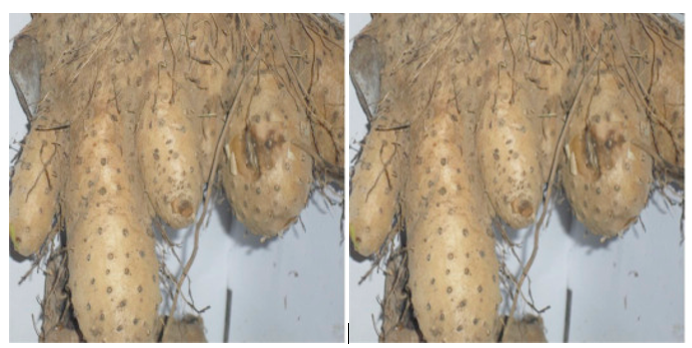
Bitter yams. The original picture of the yam was obtained from this Journal
Diabetes is a chronic disease that affects millions of people worldwide. It is caused by the body’s inability to produce or use insulin, a hormone that regulates blood sugar levels. Current treatments for diabetes include insulin injections, oral medications, and lifestyle changes such as diet and exercise. The ethnomedicinal uses of bitter yam in Diabetes treatments have been studied and established in Nigeria. Bitter yam is therefore recommended to be consumed as a dietary bioactive food because it contains compounds that mimic the effects of insulin in the body (my grandfather probably knew this). Due to its anti-diabetic properties, Bitter yam is a source of important drugs for pharmaceutical industries. For instance, it contained such antidiabetic compounds as dioscoretins and metformin. Dioscoretins have been found to lower blood sugar levels and improve insulin sensitivity in animal studies. Metformin is a commonly prescribed medication for type 2 diabetes. It works by reducing glucose production in the liver and increasing insulin sensitivity. Metformin is also found in other plants.
Since bitter yam is an important source of essential drugs for treating diabetes, its medicinal properties make it a valuable resource in traditional and modern medicine. Pricilla’s work is therefore crucial in identifying the genes involved in its antidiabetic activities. Her work would add to the available genetic data of bitter yam and lay the foundation for genetically engineering its medicinally essential traits. Her discoveries may lead to the development of new drugs that target the same pathways as other antidiabetic compounds found in bitter yam and close relatives. This will be useful in global treatments and reductions of diabetes. Well done Pricilla! We are proud of you.
Which outstanding international student are you proud of? Mention their name and work and I would be happy to write about them.
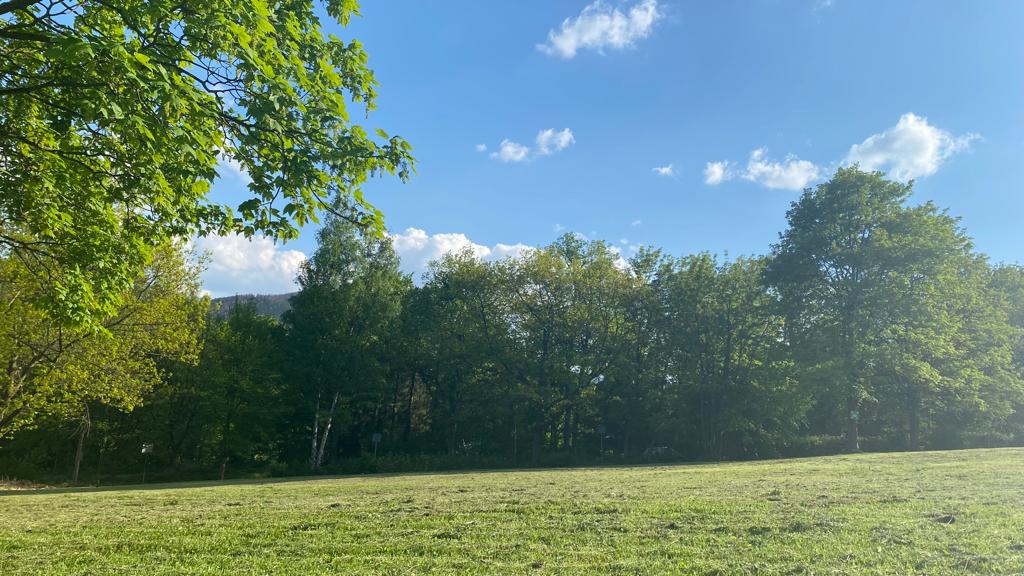
How time flies, I remember this last week Friday (12.05.2023), I had registered for a STUBE (Studienbegleitprogramm) weekend seminar on Gender equality from a global perspective in Goslar (Lower Saxony) about two weeks before. They sent a mail asking if I would take part in the seminal and I responded in the affirmative. Another mail came asking for confirmation and since I had expressed my interest the first time, I did not bother to read the second email. And then, I became very busy with lab work and other things that I decided not to go to the seminar. I, however, did not inform the organizer that I would not be coming and as such, all preparations had been made for my attendance. In the middle of my work in the evening at home, I received a call from the organizer asking if I was on my way to the seminar. I hesitated a little and replied with ‘’yes I am on my way’’. He sounded happy and said ‘’See you soon’’. I immediately felt bad that I lied to him. How will he feel if I did not show up to the seminar? What will I tell him if he calls back? I am sure he would feel so disappointed, especially because I lied to him that I was on my way. This made me feel very sad. No wonder lie is studied to be highly associated with negative emotions. But I had to leave this state of sadness that I imposed on myself. Staying at home definitely would not help because I am sure he would call back and I would have to tell another lie. I quickly packed my backpack (within 5 minutes), checked the next train, and took the next bus to the train station within 15 minutes. I checked the duration of my journey, it would take me 4 hours to get to Goslar from where I live. I did not mind because I was supposed to have been on my way anyways. So, I messaged him that I will get to the seminar at 10 pm and I did. On my way, I decided to read the second email on the train and I saw that other students were on the waiting list for this seminar. The arrangement made for my attendance would have been a waste if I didn’t show up. That would have made me even sadder. I however felt good as I got on the train. It is better late than never as a popular adage says. There were lots of people on the train. It was as if everyone was travelling but it was a smooth journey. I made the right decision to attend the seminar. First, I felt happy that I did not have to tell another lie to cover my previous lie. Second, I never knew that I could be spontaneous. I have always been a ‘’planning’’ type of person but my intuition on Friday made me discover that I am more than that. Third, I could stay off my comfort zone. Yes, I was at home and busy with schoolwork, but I could get out of that zone and do something else and I am glad I did. Well, the seminar was indeed a great one. I did not regret attending it at all. The location was super and the weather was great throughout our stay. I took a moment just lying down on the lawn and enjoying nature as everywhere seem green. Taking a moment out in nature is healthy for everyone.
The topic of the seminar ‘’Gender inequality on a global perspective’’ is broad and different people have different opinions. Some people argue that the attention given to females could render our male counterparts incapable at some points. Other people argued that gender inequality is natural because different genders have different roles in societies. In my opinion, Gender inequality is a global issue that needs continuous attention, especially in developing countries. I will, however, write extensively on this topic in my next post. One last thing, I told the organizer I initially lied about attending the seminar, he laughed and was pleased to hear that I did not regret attending the event. Have you ever lied? How did you feel when you lied and what did you do to make yourself better?
One-Time
Monthly
Yearly
Please support my blog by making one-time donation
Yesterday was a normal day. Woke up tired and grateful. Did all routines and set up for the lab. PCR these days has been proving difficult. Bacterial community analysis with ampicillin and gentamycin seems so hard to achieve with PCR not working for more than 2 months (I left it after trying twice and was doing something else).
At last, a colleague came up with a solution but with the conventional PCR protocol for 16S rRNA analysis. This protocol is different from that developed for 16S rRNA amplicon sequence analysis. There seems to be a glimpse of hope because the PCR worked, and we could see clear DNA bands on our agarose gel.
But we need to test if it works for amplicon sequencing so amplified DNA got purified (using a DNA purification kit) but DNA concentration was too low when measured with the Qubit and high when measured with the Nanodrop. Another dilemma there. Okay, let’s run the purified DNA on an agarose gel to see if we can have clear bands. Here is what we got.
Can this work for the amplicon sequencing? I am not sure. What can I do to improve the concentrations of my DNA? Maybe I need to run more volumes as I initially had 25 µL or maybe I can do 3 parallels for each sample.
So back to my questions. What challenges have you had as a scientist? How have you been able to overcome these challenges?
By definition, a teenager is someone that is between the age range of 13 to 19 and according to (WHO 2022), many teenagers within this age range are sexually active leading to a high prevalence of teenage pregnancy. The total number of births by teenage mothers in 2008 was 16 million globally and in 2021, 13 million children were reported to be born to teenage mothers (Dhami et al. 2021).
Indeed, teenage pregnancy is unwanted or unplanned. Although unplanned pregnancy affects all women across all age groups, a high rate is reported in teenage girls giving rise to high numbers of teenage mothers. High rates of teenage pregnancy are indicators of high numbers of sexually active teenage girls. For instance, Ajala (2014) reported that 47% of teenage girls were sexually active in 2013 and the mean age of first sexual contact was 15 years. Although some should have been sexually active between the ages of 10 to 14 years because WHO (2022) reported that there could be 10 births per 1000 girls within this age range.
Sexual activities are more frequent in married teenage girls than those that are not married. At the start of their reproductive age, many teenage girls in rural communities are reportedly married. In some rural parts of Africa, early marriage is considered to be a social norm as the girl child is given to marriage even before she reaches a marriageable age. The reason for this is due to the general perception of virginity preservation until marriage, promiscuity reduction, and sexual intercourse within a marriage context (Kyari and Ayodele 2014). Other factors such as poverty, social and financial instability, indebtedness, girl child supposed protection, and religion contribute to the high number of early marriages which invariably lead to high rates of teenage pregnancy in rural communities (UNICEF. 2005).
Teenage girls in rural communities are unable to get formal education because of the financial burden it may incur on the family and because they are not allowed to make an informed decision about education since they are given off to marry early. A low level of education is associated with a lack of sex education as well as the lack of motivation to use contraceptives because only girls with high levels of education are generally likely to use contraceptives, and since teenage girls in rural communities are less likely to be educated, almost 100% of them do not use contraceptives (Ajala 2014).
Teenage pregnancy occurs without proper planning on the mental, psychological, and socio-economical levels of teenage girls (Brown and Eisenberg 1995). Indeed, many of them do not make informed decisions before getting pregnant. The outcome of teenage pregnancy is enormous, ranging from the burden it imposes on the mother, to the burden it imposes on the child and entire community (Landry et al. 1986). A pregnant teenager is highly unlikely to take proper care of herself and the baby by going for prenatal care and as such teenage pregnancy is considered the leading course of maternal death in sub-Saharan Africa (Sawyer et al. 2012, Nove et al. 2014). In Nigeria, 30.5% of teenage girls (15-19) died during childbirth in 2013 (National Population Commission 2013). Currently, teenage girls constitute 40% of the total maternal mortality rates in Nigeria (Punch 2020).
Babies born via teenage pregnancy have been studied to be more exposed to harmful environments and generally lack parental care. Some of them also die in the first year of their life. Teenage pregnancy exposes teenage mothers to domestic abuse and violence by their partners, mental illness, and depression. Teenage mothers are at greater risk of violence and poverty (Ferri et al. 2007). In all, teenage pregnancy exerts pressure on young mothers, reduces their self-esteem and self-worth, hinders them from pursuing their education, dreams, and life ambitions, and hinders them from living their full life potential.
What can be done?
To reduce the prevalence of teenage pregnancy in rural communities, it is paramount to disseminate vital information about the importance of general education and the termination of early marriage. It involves the active participation of everyone in the community (most importantly teenage girls). All stakeholders and local governments of each community must be informed of how detrimental this health issue is to the sustainability and growth of the community. It involves taking the following approaches:
Parents in rural communities should be sensitized about the impact of early marriage on the growth and development of their teenage female children.
Education should be advocated for by ensuring that every child (girls and boys) has access to education.
Comical leaflets or posters will be shared to inform the population about this health issue and its effect.
Contraceptives and sexual protection materials such as condoms should be made available in all health outlets in rural communities.
Information should be shared with girls to make them aware of their fundamental human rights. This will increase their self-confidence to exercise their rights to education, freedom, good health, and consent to marriage.
Teenage girls (single and married) should be educated and encouraged to practice safe sex and use contraceptives to prevent sexually transmitted infections and unwanted pregnancies.
Incentives such as school shoes, backpacks, and writing materials should be provided to foster educational participation.
Finally, local, and national authorities, local governments, and local health practitioners should be involved to promote the safety of every girl child, disseminate sex information via mass media, enhance privacy management, and carry out health screenings to detect any health issues at an early stage.
Conclusively, teenage pregnancy is a problem in rural communities most especially in rural communities in Africa and it is highly associated with severe risks. This health issue needs to be addressed by creating awareness about its spread and its impacts on the growth, health, educational attainability, and general well-being of young women. These may help in promoting good health among young girls even as they transition into adulthood.
I hope you enjoy the article. What are your opinions about teenage pregnancy and how prevalent is it in your community?
References
Ajala, A.O., 2014. Factors associated with teenage pregnancy and fertility in Nigeria. Journal of Economics and Sustainable Development, 5(2).
Brown, S.S. and Eisenberg, L., 1995. Unintended pregnancy and the well-being of children and families. JAMA, 274(17), pp.1332-1332.
Nigeria Population Commission, 2019. Nigeria Demographic and health survey 2018. NPC, ICF.
Dhami, M.V., Ogbo, F.A., Diallo, T.M., Olusanya, B.O., Goson, P.C., Agho, K.E. and Global Maternal and Child Health Research Collaboration (GloMACH), 2021. Infant and young child feeding practices among teenage mothers and associated factors in India. Nutrients, 13(7), p.2376.
Ferri, C.P., Mitsuhiro, S.S., Barros, M., Chalem, E., Guinsburg, R., Patel, V., Prince, M. and Laranjeira, R., 2007. The impact of maternal experience of violence and common mental disorders on neonatal outcomes: a survey of teenage mothers in Sao Paulo, Brazil. BMC Public Health, 7(1), pp.1-9.
Kyari, G.V. and Ayodele, J., 2014. The socio-economic effect of early marriage in Northwestern Nigeria. Mediterranean Journal of Social Sciences, 5(14), pp.582-582.
Landry, E., Bertrand, J.T., Cherry, F. and Rice, J., 1986. Teen pregnancy in New Orleans: Factors that differentiate teens who deliver, abort, and successfully contracept. Journal of Youth and Adolescence, 15(3), pp.259-274.
World Health Organization, 2012. Early marriages, teenage, and young pregnancies. Geneva: WHO, pp.14.
World Health Organization, 2022,
Sawyer, S.M., Afifi, R.A., Bearinger, L.H., Blakemore, S.J., Dick, B., Ezeh, A.C. and Patton, G.C., 2012. Adolescence: a foundation for future health. The Lancet, 379(9826), pp.1630-1640.
UNICEF., 2005. Early marriage is a harmful traditional practice a statistical exploration 2005.
I made my first trip to Spain at the beginning of April to the University of Cadiz (Universidad De Cadiz). This visit was not for fun but to analyze pharmaceutical compounds in seawater samples obtained from the North Sea Thanks to my research group; processes and sensors of the marine interfaces for helping to collect the samples during the Heike Cruise in March 2023.
The University of Cadiz is in Cadiz Province located in the southwestern part of Spain. The University according to Global Higher Education was founded in 1979 with an origin that can be traced back to the 15th century. The University has four different campuses which are located in four different cities. The cities are Cadiz City, Puerto Real City, Jerez City, and the Bay of Algeciras. Each campus has different faculties. For instance, the College of Engineering, Health, and Computer Sciences are on the Cadiz campus. Administrative work is said to be on this campus.
On the other hand, studies relating to Education, Marine sciences, and natural and Environmental sciences are on the Puerto Real campus. I, therefore, visited this campus for the analysis of my seawater samples for two weeks. I must say that it was a wonderful experience 😍😀.
We left on the 10th of April in the morning with samples as my supervisor came to pick me up to the airport (Hamburg). It was indeed a good trip with her and I am so lucky to have such a very nice supervisor. Because of the samples, we had to leave as early as possible in the morning to be able to check in the extra luggage. Checking in was good and effective. Flight takeoff and landing were also good only to get to the airport (Jerez airport; the closest airport to Cadiz) without my samples and other luggage arriving at the same time with me. My host at the University Professor Pablo Lara-Martin communicated effectively with the customer care service of the flight. I could not speak Spanish. I knew that speaking English with customer care would not afford me the full information needed for the location of my luggage 😀. Thus, with his effective communication technique, we were able to locate the samples and my other luggage. They were delivered to the University the next day and I was really happy. Information about sample processing and results will be published in a scientific journal and later posted on this page.
My host was the head of the Physical Chemistry Department in the Faculty of Marine and Environmental Sciences, at the University. The research group majored in the distribution and analysis of pharmaceutical compounds in coastal environments, estuaries, and wastewater treatment plants. They have expertise in different types of chromatography and mass spectrometry most especially in ultra-performance liquid chromatography and triple quadrupole mass spectrometry. You can find some of their publications here. All the people in the research group are nice, welcoming, and accommodating. I would love to visit the school again and I look forward to more collaborations 😍😀.
Now let’s talk a little bit about Cadiz and the reasons why you should visit this amazing place. Cadiz is located in the southwestern part of Spain. The City is very rich in culture and all-around beauty. According to Biel-Maeso et al. (2018), the city has a total number of 430,000 inhabitants, five ports, and many shipyards and because the city is an island, its important attribute is fishing tourism. So, if you are interested in fishing and tourism pack your bags and head to Cadiz for an unforgettable experience.
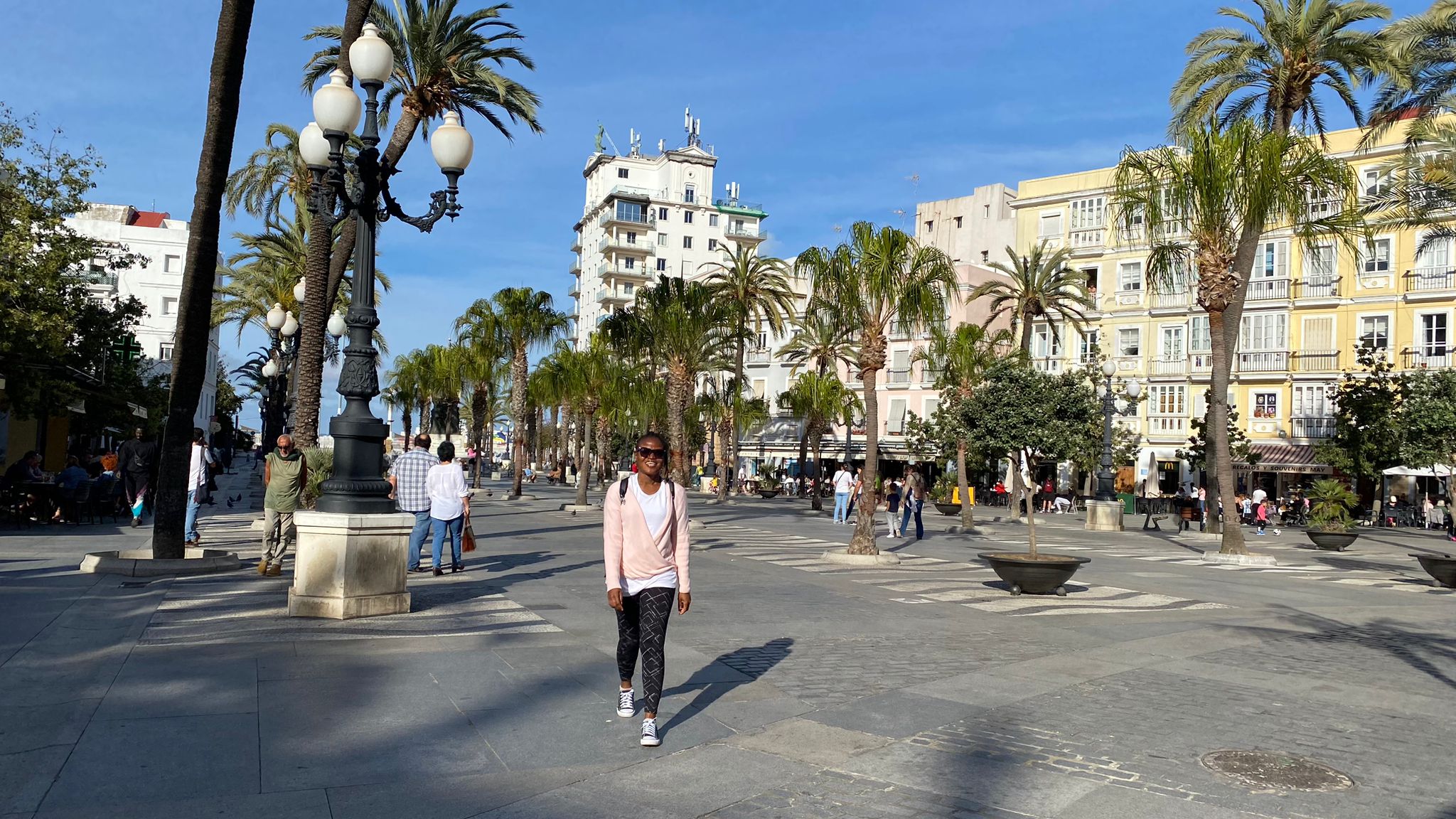
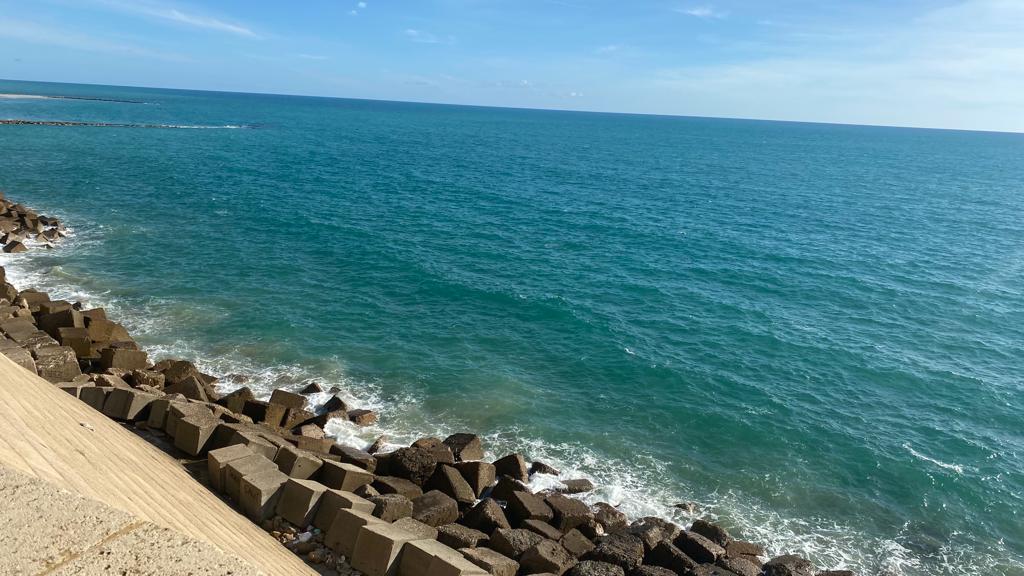
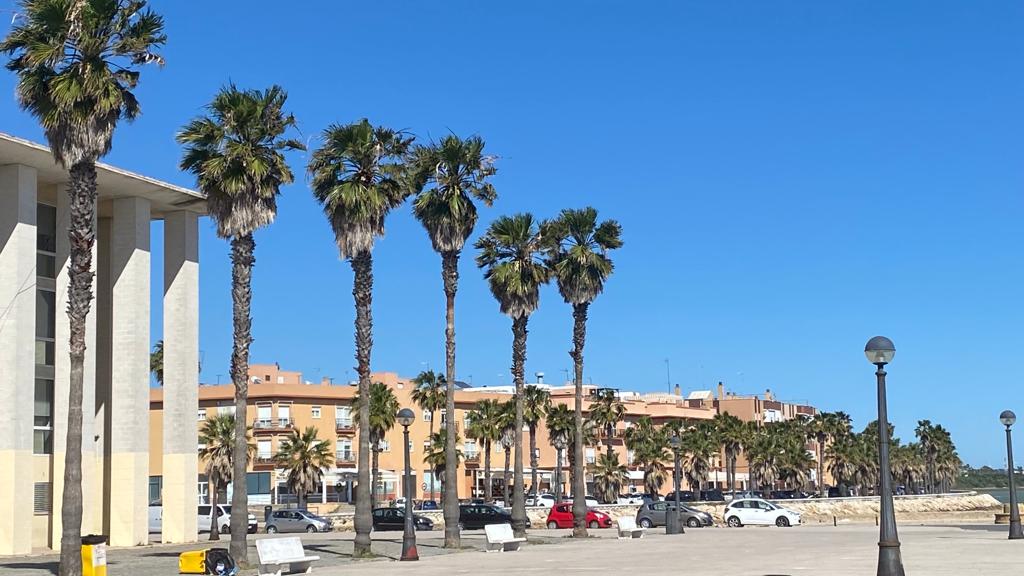
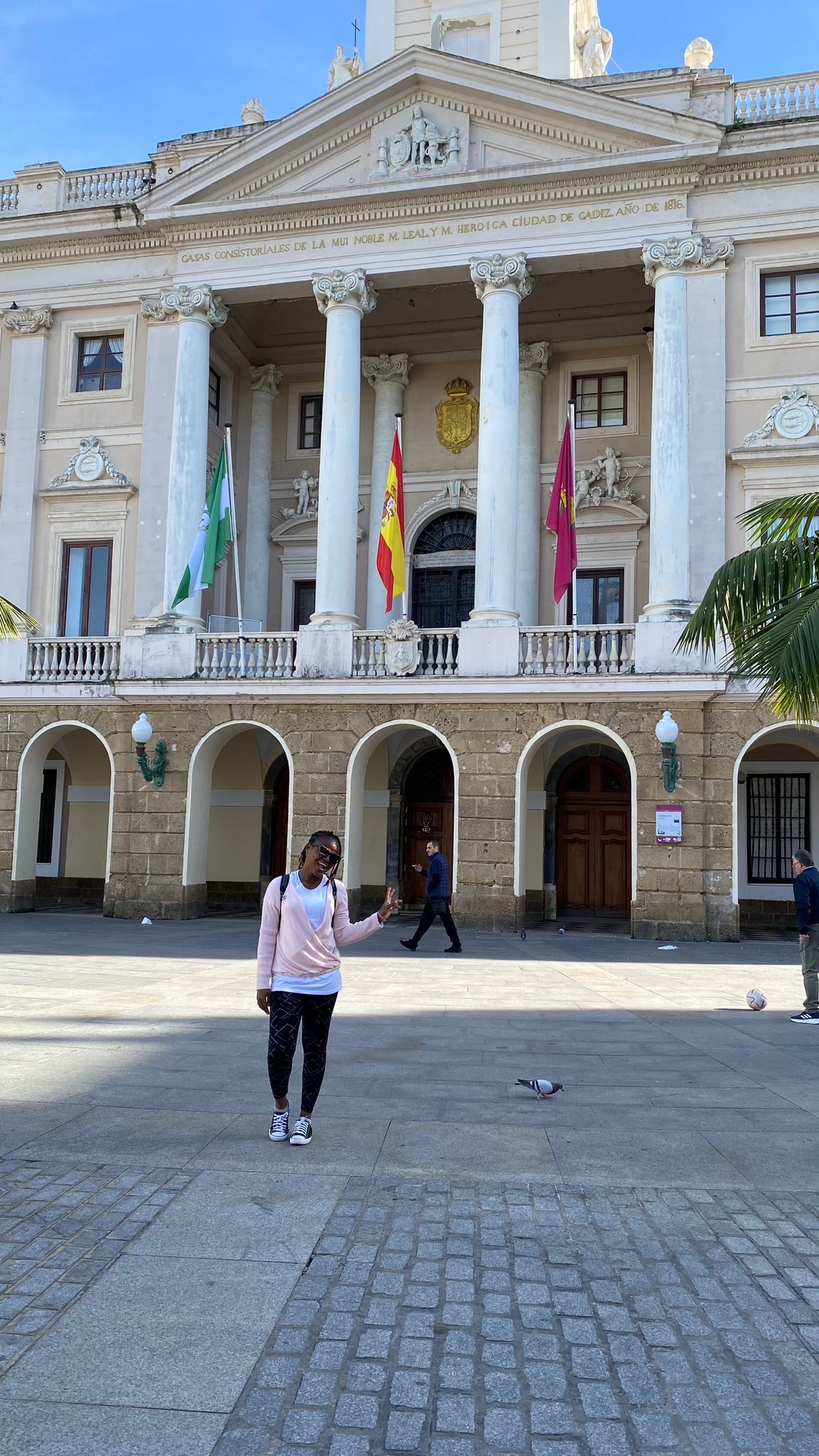
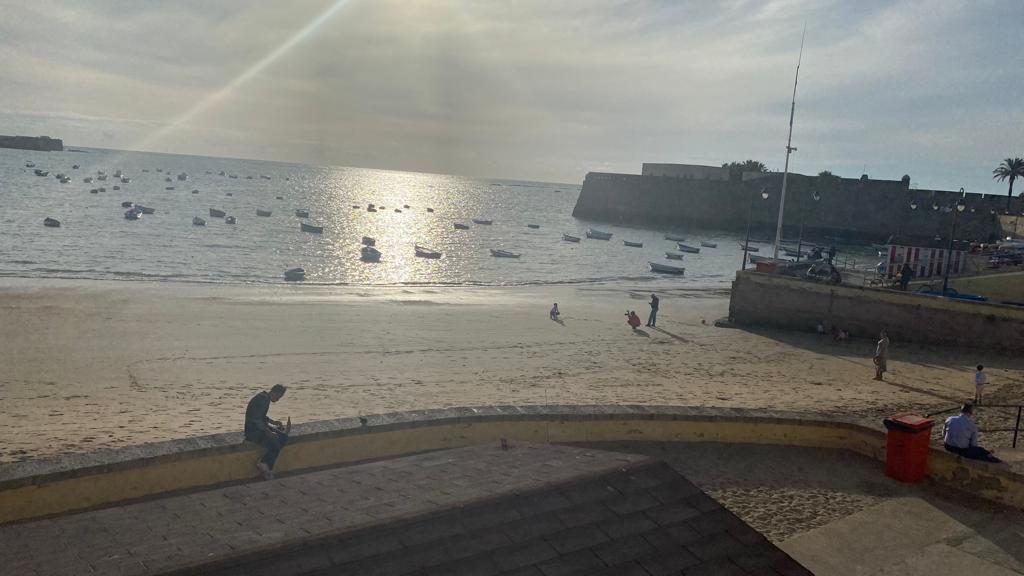
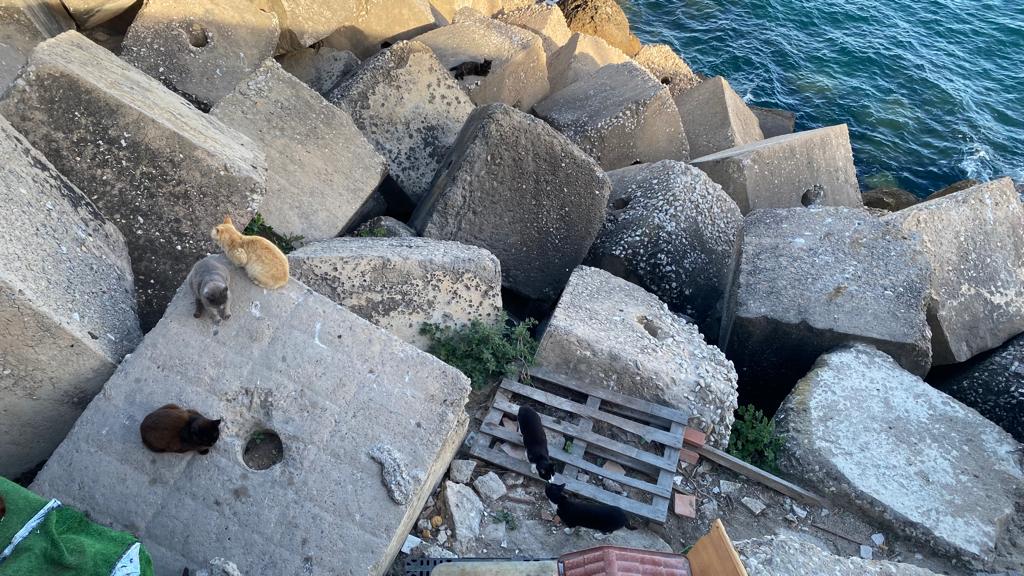
Even though was busy analyzing my samples during my two-week stay at the university, I had the chance to visit the city on my last day there with a couple of wonderful friends and I was overwhelmed by the beautiful scenery that radiates over the city. I have not been to other cities in Spain but I can say that Cadiz can be the perfect destination if you want to experience Spain’s true essence. Please see the pictures below.
Another important aspect of the city is the transportation system which is typical of the European transportation system. Transportation is not only good but also very cheap. You however have to purchase the popular transportation card and load the card with maybe 10 Euros. This will be affording you over 90 % discounts on transportation by bus. For instance, commuting to the University from Puerto Real resident with the card in most cases costs me only 34 cents. Without the cards, I once had to pay 2.30 euros 😩.
Overall, my trip to the University of Cadiz was an unforgettable experience, full of research experience and natural beauty. If you are a student and you are planning to visit the University for a research stay, depending on the location of the department you intend to visit, you can choose to stay in Puerto Real or Cadiz. Even though both are in the same Cadiz province, they are two different cities and are located some kilometers (30 minutes max) away from each other. If you plan to visit the Puerto Real campus, staying in Puerto Real will save you some time in communing with the University every day. But you can also stay in Cadiz for full culture, history, and beautiful scenery experiences.
One-Time
Monthly
Yearly
Please support my blog and make a one time donation.

















 Everything Health and Education