
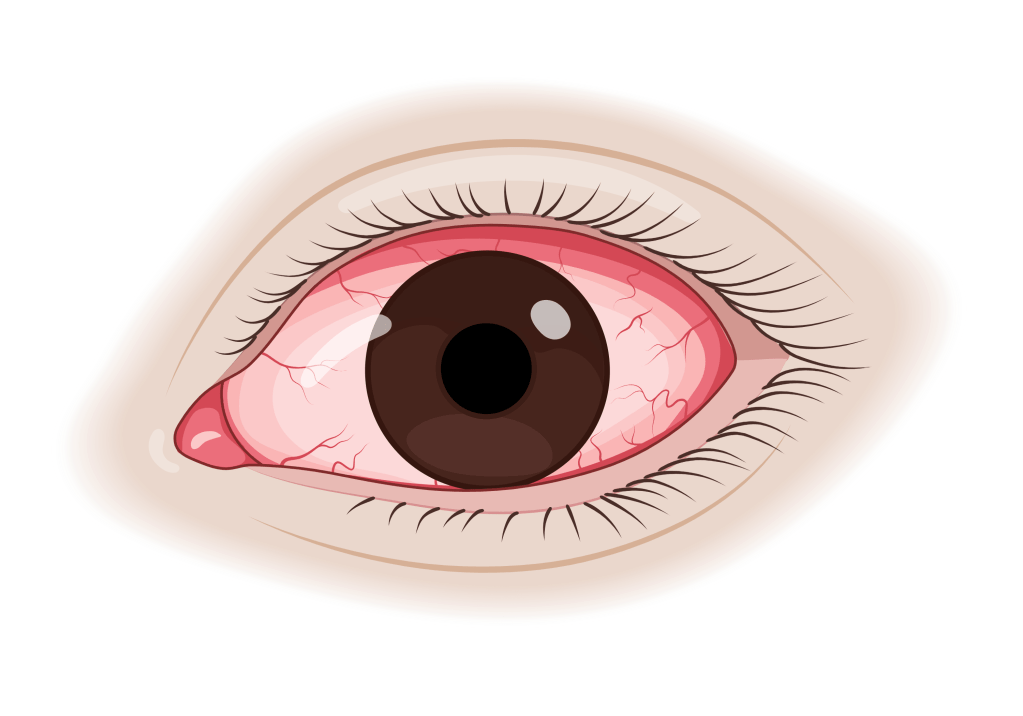
Bacterial extracts on antibiotic resistance genes obtained from infected eyes.
Hello! My name is Kaosara SALIU; I am a master’s student at the Department of Pharmaceutical Microbiology, Faculty of Pharmacy, University of Ibadan, Oyo State. I am currently working on applying natural resources to the control of biological agents.
My research focuses on investigating the effects of extracts from Lawsonia Inermis and Entandrophragma Angolense on antibiotic resistance genes, such as extended-spectrum beta-lactamases (ESBLs) and metallo beta-lactamases (MBLs), produced by Pseudomonas Aeruginosa isolated from infected eyes. The prevalence of multidrug resistance in harmful microorganisms has made the hunt for more advanced antibiotics necessary. Pharmaceutical corporations have invested much time and money in creating natural medications derived from plants to create affordable, effective treatments for the general public.
Novel antimicrobial treatments are desperately needed, as the threat posed by growing antibiotic resistance to our existing therapeutic arsenal is real. While academic institutions continue to innovate, hoping to take advantage of the growing body of knowledge about bacterial pathogenesis to generate novel treatment tactics, pharmaceutical corporations have essentially given up on developing antimicrobial drugs in favor of more lucrative, long-term therapies. Several cutting-edge treatments are being developed to treat eye infections, including host defense peptides, monoclonal antibodies, and new combinations of broad-spectrum antibiotics. Non-pharmaceutical methods include corneal cross-linking, bacteriophage and plasma therapies, and plant extracts.
My research focuses on assessing the activities/antimicrobial potential of Lawsonia inermis and Entandrophragma angolense extracts against Extended Spectrum Beta-Lactamases (ESBLs) and Metallo Beta-Lactames (MBL) producing Pseudomonas aeruginosa isolated from selected people with eye infections. This research will help to determine whether or not natural products will be a clue to future antibacterial agents and also to determine whether or not the antibacterial efficacy of Lawsonia inermis extract will be greater than that of Entandrophragma angolense extract against ESBLs producing Pseudomonas aeruginosa isolated from infected eyes.
The research will also reveal whether the bioactive compounds present in Lawsonia inermis and Entandrophragma angolense will disrupt the cell wall synthesis of Extended Spectrum Beta-Lactamases (ESBLs) and Metallo Beta-Lactames (MBL) producing Pseudomonas aeruginosa that are isolated from infected eyes. Due to concerns about drug resistance, cost, accessibility, and bioaccumulation of toxic substances resulting from prolonged or excessive use of conventional drugs, research is currently focusing on natural sources to find alternatives with better therapeutic potential that are also affordable, safe, and easily obtainable. These plants are environmentally benign, native to the earth, and have been used as biological control agents. This makes it necessary to reevaluate the plants that have been examined in the past. Still, the chemical composition may have varied because of the environment and geographic location differences. To conclude, compared to chemical chemicals, medical plant-based treatment has typically been more affordable, simpler, and readily available, with less adverse effects. However, people appear to be more likely to use herbal therapies than pharmaceutical ones.
 Everything Health and Education