Activities you must do every morning to improve your mental health

How do you feel and think when you wake up in the morning? Do you feel happy, angry, confident, organized, sad, fearful, grumpy, or tired? Do you think positively or negatively? Although, we cannot control the way we feel most of the time, our feelings and thinking in the morning impact our self esteems, self-belief, self-confidence, belongingness, and motivation, and we achieve our goals for the day and vice versa. Vice versa means that all health constructs listed above can also impact the way we feel or think every morning and can also impact our day positively or negatively.

Being in control of your life and having realistic expectations about your day-to-day challenges are the keys to stress management, which is perhaps the most important ingredient to living a happy, healthy and rewarding life

Marilu Henner

People who wake in the morning with positive thinking and good feeling are more likely to have high self-esteem, self-belief, self-confidence, and self-belongingness. They are also more likely to be free from depression than those who wake up feeling bad and having negative thoughts. Similarly, people who lack self-esteem, confidence, and belongingness do not wake up feeling good and having positive thinking. Studies have shown that a lack of self-esteem, confidence, and belongingness increases stress, depression, anxiety, cognitive impairment, and poor quality of life. Life indeed is a twist!

This paragraph contains an affiliation link for healthy Personal care products from Amazon. When you click on the link and buy any of the products, I get compensated.  

Our early morning activities also have a lot to do with our health as scientists have shown that there are strong correlations between our so-called activities for daily living and our mental health. We in most cases feel we are doing too much daily meanwhile our activities of daily living do not only provide for our needs but also keep us away from depression, anxiety, an inability to conform, and even death. Our basic activities of daily living are the skills we learn early in our lives and they kind of stick with us until we grow old (In the absence of disabilities). They are things we do daily and if we don’t do them, we are considered incapable or disabled. They include getting out of bed, taking a shower, using the toilet, bathing, dressing, eating, drinking, and going back to bed. There are other activities of daily living that we engage in. They are instrumental activities of daily living and are activities relating to independent living.  They include our financial management, housekeeping, shopping, working, going to school, and taking care of others. All these activities are there to keep us in a good physical and mental state every day.

As simple as these seem, many people have difficulties engaging in basic activities of daily living sometimes unless they are pressured to.  To some people, however, these activities and more are done routinely. We all want to feel good every day if there are no situations outside our control. To have some good feelings and levels of accomplishment daily, I have compiled a list of activities that one should engage in every morning and every day. These are basic daily activities that you should engage in to boost your mental wellness, self-esteem, and self-confidence and to have some levels of achievement daily. I perform many of these activities daily and I can confidently tell you that I have good feelings, high self-high, and self-confidence every day. Also, I am not the happiest person on earth but hardly can anything or anyone makes me feel bad or sad about myself unless I allow them.

Starting your day right is essential if you want to promote your mental health. Here are some activities Here are the lists of activities you must perform in the morning and daily if you want to be in a good state of mind throughout the day. Please note that these recommendations are based on personal experience and supported by some research. Your personality type can affect how you respond to the recommendations and should be put into consideration.  

Be grateful, make your bed in the morning, and organize your room.

Take a moment to think about the things that you are grateful for in your life. It can be anything from your family, your health, your job, or your home. This simple act of expressing gratitude can help increase positive emotions and decrease stress levelsThis is my first task every morning since I was young. I never really paid attention to the fact that this gives me some level of accomplishment every day. Making your bed in the morning is indeed the first accomplished task that improves your mental health and keeps you ready for the task ahead. Making your bed is a good habit that can not only make you happy but can also improve your productivity throughout the day.  

Organizing your room simply involves you putting things where they belong, sweeping and mobbing your floor to keep it clean, and cleaning all surfaces to remove dust and unwanted entities.  I probably have an obsessive-compulsive disorder (OCD) in this aspect because I not only clean my room every morning, but I also some mornings clean the general kitchen that we use whether it is dirty or not (I share with two wonderful people).
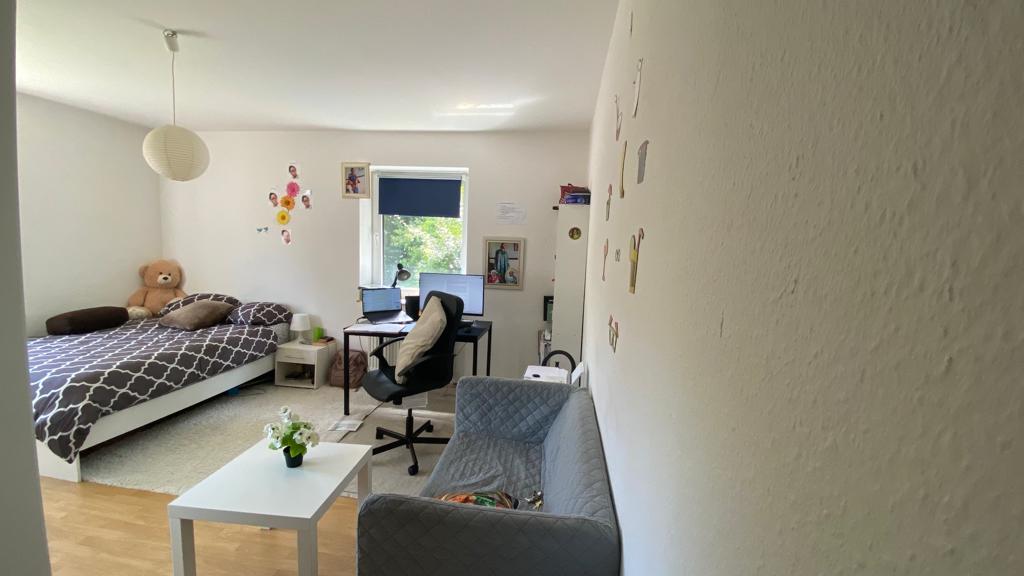
Duvet and Duvet cover from Amazon are simply the best. I have been using these products for more than two years and I can confidently tell you that they are very good. The duvet is not heavy and keeps me warm in winter. I provide the affiliate links of these products. When you click the link and buy any of the products, I get compensated.

Doing this every day makes me happy and affords me the confidence that I can get my tasks done daily. Organizing your room or apartment every morning connects you to your environment and shapes your psychological state. I know that some of us do not have the time to do this every day because we must cater to our children and run off to work as early as possible. But even at work, something within us keeps reminding us that the room or house is unkempt. This can add to the stress at work and add to the overall stress of the day. Stress as we know facilitates fatigue, and depression and can affect our mental health negatively.

Morning physical activity.

Engaging in rigorous physical activities (20 minutes) every morning may not be feasible but engaging in moderate physical activities by moving your body for a few minutes (max 10 minutes) surely improves your moods and prepares you for the tasks ahead. Physical activity is widely known for its impacts on the management of mental health problems particularly those relating to depression and anxiety.  Habitual physical activity also sets you in a relaxed mood, boosts your confidence, and gives you a sense of belonging. Even though people with depression and low self estate often find it difficult to exercise, physical activity is one of the medications recommended for the treatment of mental illness. Now imagine someone with a good state of mind incorporating physical activity in their daily lives. You would expect good health which according to WHO is not just the absence of disease but also include general well-being.

There is a general misconception that you must visit the gym before can actively exercise your body. If you are engaging in moderate physical activity, you can simply do that in the corner of your room or house. Interestingly, many online sources are helping you to move your body before starting your day properly. I do this every morning and I can confidently tell you that physical activity doe not only boost my self-confidence and self-esteem but also gives me some levels of accomplishment. My health is after all my wealth.  So, try incorporating this daily and you will be happy you did.

Personal care

This simply involves brushing your teeth and taking your bath, changing your clothes every morning. To me, these seem like the greatest achievements, and they are like rituals that I must perform every morning. Healthy Studies have shown that personal hygiene is not only an indicator of physical well-being but also of emotional and mental well-being. Personal hygiene and personal care go hand in hand. The inability to engage in personal hygiene is associated with mental disability. Brushing your teeth daily keeps them healthy. Healthy teeth are important for healthy lifestyles and can increase your quality of life. Unhealthy teeth on the other hand can affect your physical and mental health.  Indeed, an unhealthy mouth is highly uncomfortable and reduces self-esteem, self-confidence, social functioning, and belongingness.

Like taking care of your teeth, taking your early in the morning also keeps your body clean and improves your mental health, and keeps you in a relaxed mood for the rest of the day. The ability to routinely clean all areas of your body is a health-maintaining habit that reduces fatigue and phycological distress. According to (Ishizawa et al. 2012), people who bathe daily and early have lower chances of getting anxious and depressed. They also have high self-esteem and can sleep well at night.

This paragraph contains an affiliation link for healthy Personal care products from Amazon. When you click on the link and buy the products, I get compensated.

Taking breakfast and taking a cup of coffee.

Breakfast is the most important meal of the day. Taking a nutritional-rich breakfast in the morning helps you to control your emotion and irritation and reduces depression. Taking breakfast in the morning was studied to greatly influence academic performance and high sleep quality of sleep. These, in turn, reduce depression, anxiety, and low self-esteem. No wonder, breakfast is considered one of the rubrics of longevity and mental wellness. Eating a healthy breakfast can fuel your body and keep your mind sharp. Make sure you include complex carbohydrates, protein, and healthy fats in your breakfast.
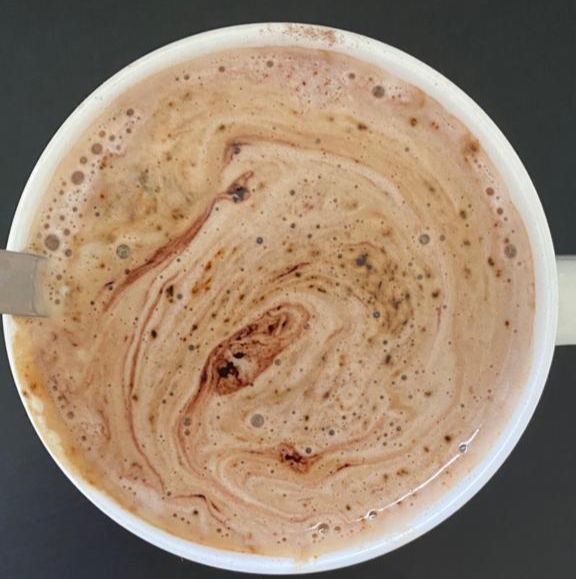
 There’s something magical in how coffee can brighten our morning mood and give us the spark to seize the day…

Unknown.

Taking Coffee in the morning in most cases boosts your mood and energy and improves your mental health. Coffee keeps you active and aware of your surrounding environment. Coffee reduces depression, anxiety, and diabetes.   

Affirming positive words to myself every morning as the day goes by.

Affirmation means self-expression or assertation and the ability to maintain a sense of self-integrity. A self-affirmation can be positive or negative depending on your personality type. Extroverts always make positive self-affirmations that give adaptive, competent, good, and morally good feelings. I am an introvert, and I will not stop affirming myself. Positive affirmation every morning and every night works like magic for me. It feels always like I am working directly on my brain, reflecting on my thoughts, and adjusting any negativity that may want to affect my sanity and having control over any outcome. Positive affirmations in most cases give me a positive and hopeful mindset which in turn influences my everyday decision to stay focused and work towards my goals. Some of these goals for the day may be achieved and some not, but I tell myself it’s Okay.

Positive self-affirmation has been studied to correlate strongly with high self-esteem, self-belief, open-mindedness, belongingness, and self-confidence. Self-assertion encourages self-respect and reduces depression and anxiety to a large extent. You however need to believe in your assertation because saying and believing are two different things. Studies have shown that asserting positively without believing reduces self-esteem and self-belief. Here are some nice affirmations worth incorporating in t your activities for daily living and more can be found here.

  • I am loved.
  • I am blessed.
  • I am amazing.
  • I am confident, I am competent, and I am intelligent.
  • Every day, I am getting closer to achieving my goals.
  • I am growing and evolving into the best version of myself.
  • Through the power of my words and my thoughts, amazing changes are happening to me, within me, and around me.
  • I can do whatever I set out to achieve. I am great and the sky is just the beginning.
  • I am not under pressure, I do not need to rush, and everything will work out for good for me]
  • I do not waste away a single day of my life. I squeeze every ounce of value out of each of my days on this planet—today, tomorrow, and every day.
  • I can and I will.

This paragraph contains an affiliate link for an affirmation CD from Amazon. The CD contains important positive affirmations and meditations that can activate your inner strength and boost your self-confidence as well as your self-esteem.

One-Time
Monthly
Yearly

Please support my blog and make a one time donation.Make a one-time donation

Make a monthly donation

Make a yearly donation

Choose an amount

¤5.00
¤15.00
¤100.00
¤5.00
¤15.00
¤100.00
¤5.00
¤15.00
¤100.00

Or enter a custom amount

¤

Your contribution is appreciated.

Your contribution is appreciated.

Your contribution is appreciated.

DonateDonate monthlyDonate yearly

In conclusion, taking care of your mental health should be a top priority. By practicing these activities every morning, you can promote your mental health and start your day on a positive note. Remember, small changes can make a big difference in your overall well-being.

Why you should exercise your body

Physical inactivity is a severe and common health issue in both males and females, however, it is studied to be widespread among females. This means that females are more physically inactive than males. Females are also likely to develop a sedentary lifestyle with age. This is due to the need for more time for exercise and other demands and burdens that come with home keeping. But the narrative is changing gradually because we see more young females visiting the gym than before.

Physical activity is also known as exercising. Physical inactive people are not only those who are living sedentary lifestyles but also include those who are not doing sufficient exercise. According to WHO, for you to be considered physically active, you must attain an exercise threshold of 150 minutes (moderate) or 75 minutes (vigorous) weekly.  Buy not everyone can meet up with these physical health requirements, as a result, physical inactivity is the fourth leading cause of death worldwide.

Physical inactivity is a health problem that is not restricted to a particular area or a particular country. The prevalence is estimated to increase from 17 % to 91 % in developing countries and from 4 % to 84 % in developed countries from 2005 to 2030 (Blair and Brodney 1999).  Among the high-income countries, the Asian Pacific region has more than 35 % physically inactive populace, and more than 20 % of the central and eastern European populations are physically inactive. In the United state, physical inactivity account for more than 25 % of health issues prevalence (CDC 2022).

Physical activity is caused by several factors.  Many societies are structured in such a way that most people do not need to be physically active to obtain their daily needs. The matter is made worst with the availability of everything ” with a click”.  For instance, instead of people walking to the supermarkets to buy the things they need, they alternatively buy them online via Amazon and other online marketplaces. Also, instead of physically exercising by cooking healthy meals, they simply order foods online or by using such food applications as ”food hub”, ”just eat”, and so on, and accumulate fat in their body in addition to physical inactivity.

Many people also depend on automobiles to move from one place to another. Video games, remote working systems, and online classes during the COVID-19 pandemic, television watching, attention to social media all contribute to the widespread physical inactivity. In some countries, the unavailability of exercise centers and other resources may be mediating factors contributing to the prevalence of health issues.

Several non-communicable diseases and increased mortality rates are caused by physical inactivity. Physical inactivity also causes cardiovascular heart diseases (eg stroke and heart attack),  cancer, high blood pressure, obesity, and type II diabetes (Abubakari and Bhopal 2008). The most studied impact is fat deposition in the body leading which can lead to a  serious health condition called obesity. Physical inactivity is however not the only cause of obesity.

Not only does exercise keep the body young, but it also keeps the mind vital and promotes emotional well-being. The important thing is to start off slowly, find physical activities you enjoy, and do them regularly-  Deepak Chopra

References

Abubakari, A.R. and Bhopal, R.S., 2008. A systematic review on the prevalence of diabetes, overweight/obesity, and physical inactivity in Ghanaians and Nigerians. Public health, 122(2), pp.173-182.

Blair, S.N. and Brodney, S., 1999. Effects of physical inactivity and obesity on morbidity and mortality: current evidence and research issues. Medicine and science in sports and exercise, 31 pp.S646-62.

Chronic Disease Fact Sheet: Physical Inactivity | CDC

Physical activity (who. int)

Tips for studying in Germany

Power, today,comes from sharing information, not witholding it- keith Farrazzi

We have all been to a stage where we must take a step forward academically. We are often left with various choices, which could be whether to study in our home countries or study abroad. If the latter is the case, we are still left with the question ”which country”? The US, Germany, United Kingdom, Canada, Sweden, Belgium, Demark, India, China, etc. In my case, I knew I had to further my studies after my bachelor’s degree in Nigeria. I had worked for three years and just wanted to advance in knowledge. I had three choices regarding where (the country) to further my studies. My choices were (i) my home country, (ii) the United Kingdom, and (iii) Germany.

Even though I had registered for a master’s degree program and was about to do the entrance examination at the University of Lagos, Nigeria, I changed my mind because I wanted to study abroad to gain international experience. Hence, I narrowed down my choices to the United Kingdom and Germany. In the end, I opted for Germany for several reasons. It was a great decision because I did not regret any ounce of the choice that I made. Several factors informed my decision to study in Germany and some of these reasons will be mentioned below.

Education is Free. I am always surprised when students contact me and asked about how much I am paying for the tuition fee in Germany. It is important to note that unlike the UK, Canada, the US, and other Western countries, education in Germany is free even for international students. Although there are some private universities for example Jacob University Bremen that charge at least 29,000 Euros for all sessions depending on your program. Universities like Jacob University Bremen are however very few. Many universities in Germany are public universities and you do not need to worry about paying any ridiculous amount as tuition fees.

Many Universities in Germany do not charge tuition fees except for what is usually called the ”semester contribution” which can be as little as 200 Euros depending on the school. This information is usually displayed on the university’s website, so you must do your research about the exact amount in your university of interest. It is also worth noting that the semester contribution changes every semester. But the difference is still within the affordable range. The semester contribution offers numerous benefits to students. First, paying the semester contribution confirms your enrolment into the school. Secondly, paying the semester contribution will allow you to obtain a semester card. With the semester card, you can travel (by bus, tram, S-Bahn, and U-Bahn) to all parts of your city without having to buy a ticket. You can also travel by train to neighboring cities without having to buy a train ticket.

Like other Western countries, universities in Germany have state-of-the-art resources and equipment which facilitate effective learning and research experiences. Most universities are also affiliated with research institutes and students are in most cases integrated into the German research cultures. The most interesting part is that students do not have to pay a dime for using the school’s resources and equipment for study and research purposes. This is contrary to what we have in some universities in Africa and other countries. You however must be under adequate supervision and be affiliated with a research group before you can utilize many of this research equipment.

Most Master courses are taught in English. Even if you need the German language for your everyday life in Germany, you do not need to learn the language before you are allowed to study in the country. This may also depend on the program you are coming to study. As previously stated, the language of interaction for many master courses is English. Although, this may be different for some Bachelor courses which use English and German as the language of instruction. This will be clearly stated on the school website and in that case, it would only make sense if you can take your time to learn the language. PhDs also do not require you to learn the language, but this will be discussed in a later post.

Some Universities in Germany do not require English language exams such as IELTS, TOEFL, TOEIC, and Cambridge for application. You must however show that English was the language of instruction during your undergraduate days by obtaining a letter from your alma Mata that clearly states this. Many Universities will, however, request English language exams, so I strongly advise writing either IELTS or TOEFL as they will increase your chances of getting admitted to the University of your choice and will not restrict your application to the schools that you do not want.

That said, here are some tips to help you navigate your study journey to Germany.

Be informed about universities in Germany and their requirements.

Information comes in different ways, and you need to get all the information you need to start preparing for your study journey to Germany. Information is key. Even with technological advancements which have resulted in the availability of much information online, many people are still either uninformed or underinformed. I was also guilty in this regard. Before I opted for Germany, I did not inform myself about the country so most of my focus was to study in the UK. It was a friend who hinted to me that education in Germany is free and that was it. After then, I tried my best to make better use of the internet. I was always searching and clicking around. I did this for about three months, and it felt as if I know almost everything about all the Universities in the country 😂. A year later, I started my master’s degree program in Germany. To be informed about universities in Germany and their requirements, here are what you should do:

Write it. Shoot it. Publish it. Crochet it. Sauté it. Whatever. Make it- Joss Whedon

  • First, get a new notebook for this specific purpose.
  • Start by simply typing ‘Universities in Germany’.
  • Pick the first school on the list and navigate your way through the site to where their courses are listed.
  • Did you find your course of interest? if not, close the page and move to the next school. If yes, click further to check the school’s requirements for the course. Here you should
    • Write down the name of the school and the course that interests you.
    • Check for the application start dates and deadlines and write them down
    • List all their requirements and check mark with ✔️ if you have and with ✖ if you do not have some of the requirements.
    • Write down the application process.
    • Some universities (majority) in Germany require that you do not apply directly to them but to the national service provider called Start | uni-assist. If this is the case, you will have to apply to the school through this service provider and their websites are simple.
    • Most Universities in Germany have pages on their website that contain information for international students. This page contains information about how to organize your life and navigate your way to the city of the school. These pages also contain information on where you can get help (not monetary) or whom you can contact when you need help. Ensure that this page (on the website of the university you are interested in) becomes your friend when you start your study journey and visit it quite often
    • Try as much as possible to write down at least 5 Universities that you are interested in and start working on getting all their requirements one after the other.
    • Most Universities in Germany require that you notarize your documents before sending them down during the application process. Please take note of this because it may result in multiple admission rejections as I experienced.  Simply take your original documents and photocopies to any notary public close to you and have them notarized.
    • Send in your application immediately after the application process opens and your documents several weeks before the application process ends. As previously stated, apply to at least five Universities.

Be informed about the Embassy requirements, and appointments.

Big achievements come one slight advantage at a time, one step at a time, one day at a time- Jim Rohn

Now that you have sent in your applications, do not wait for your admission letters to arrive before you start making the next move. This includes working and check marking the documents you will need for your visa application. You can do this by visiting the websites of the German Embassy in your home country. The websites are usually straightforward, and they have a particular checklist (pdf) that contains all the required documents.

The reason why you need to start working on getting those documents is that booking an appointment for your visa application at the embassy is not easy as many people are booking appointments at the same time. Sometimes, the embassy may be booked out for several months and this may not favour you eventually when your admission letter arrives.   

As previously stated, Embassy’s website has listed all requirements you would need for your visa application. Please pay attention to all the information on the website. One of the most important documents is the proof of funding which can be a blocked account with a minimum disposal sum of 934€/month (for 12 months), a letter of commitment (called a sponsorship letter from a relative or a friend living in Germany) or with credit scholarship letter. The essence of the proof of funding especially the block account is to show that you have money to cater for yourself in the first year of your studies. All the requirements are achievable, all you need is to take one step at a time.

You can book your appointment even before getting all the documents. You just need to take each step towards achieving your goal and get all the documents before going for your appointment.  Your admission letter is also an integral part of your visa application process. If you apply correctly and meet all the requirements of the school, that should not be a problem. Once your documents are ready and you have attended your visa application interview, it takes about 4-6 weeks for your student visa to be ready.

Sort out your accommodation.

Before you get your visa approval email, it is essential to start sorting your accommodation out. Accommodation is one of the challenges you may have to face depending on the city you are going. and as such it’s crucial that you start looking for accommodation early before you leave your home country. Here are some tips you need to secure housing before you head to your place of study.

  • Apply Accommodation in many universities in Germany is managed by a special department called the ”Studentenwerk Wohnheim’’. If you are coming for your master’s or bachelor’s degree, it is best to apply to the ”Studentenwerk Wohnheim in your school. This is because accommodation managed by the Studentenwerk is always affordable. Ensure that you send them emails regarding your arrival.
  • Build a support network. Before leaving your home country, find other international students and make friends in the city you are heading to. You can make use of LinkedIn and other social media platforms such as Facebook, Twitter, and TikTok in finding people. Don’t be afraid to ask for help if you need it. I have met numerous international students via LinkedIn. All you need to do is to type the name of your school on LinkedIn and send a direct message to people you may be acquainted with. You will be surprised at the level of help you will receive.
  • Download and make use of such applications as WG and eBay. People often advertise their rooms or apartments on these applications.  Don’t be afraid to apply to any room you find affordable. Also, send direct messages to people and ask questions via the apps.
  • Make use of your international student web and social media pages. People also advertise accommodations there.
  • Apply for a buddy through the buddy program of your school. A Buddy is someone who volunteered to show you around the city when you arrive. It is not the duty of your Buddy to get any accommodation or provide any information in that regard for you. Your Buddy can however help in speaking or interpreting the language for you when it is needed.

Once you arrive, attend the orientation at your school to meet new people. Learn about the local culture and get acquainted with the campus. Get to know your city by taking a stroll around and exploring exciting places. Your studies are paramount and as such, ensure that you excel in all your courses. Do get in touch if you need further information. I wish you all the best in all your endeavours.

 Dreams can come true, but there is a secret. They’re realized through the magic of persistence, determination, commitment, passion, practice, focus and hard work. They happen a step at a time, manifested over the years, not weeks- Elbert Hubbard

All quotes were obtained directly from https://happylives360.com/quotes/one-step-at-a-time-quotes/

One-Time
Monthly
Yearly

Please support my blog and make a one-time donation

Make a monthly donation

Make a yearly donation

Choose an amount

€5.00
€15.00
€100.00
€5.00
€15.00
€100.00
€5.00
€15.00
€100.00

Or enter a custom amount


Your contribution is appreciated.

Your contribution is appreciated.

Your contribution is appreciated.

DonateDonate monthlyDonate yearly

Factors influencing the distributions of health in Lagos, Nigeria.


 Lagos. Image source (https://bedroom.designonvine.com

Lagos is a home for all and according to a popular saying ‘’ Lagos is a no man’s land’’. Lagos is both a state and a city and it is located in the south-western part (6°27’14.65″N, 3°23’40.81″E) of Nigeria. 

Compared to other cities, Lagos has a relatively small geographical size of about (3400 km2), half of which is covered with water. However, over 15 million inhabitants occupy the city, and the population is predicted to double in 2025. This makes Lagos, the most populous city in Nigeria and the sixth most populous city in Africa. 

The migration of most people to Lagos is because of its urbanization i.e., the presence of several economical and financial facilities which include many industries as well as many banks that recruit several young populations from different parts of the country. Most of the high buildings in the picture above are actually banks😀.

What factors influence people’s health in Lagos

Generally, the Nigerian health care system is below standards and Lagos being the most populous city in Nigeria suffers most of the consequences of a bad health system. The health of the population in Lagos is mostly affected by socio-economic and environmental factors rather than individual factors.

 This means that access to good health in the state is a function of occupation, education as well as the socio-economic status of an individual. For example, many people working in the banks and other private sectors have access to health via the allocation of HMOs (Health management organizations). Also, civil servants i.e. government workers (not all) can access free health care provided by the government. however, nothing of such exists for non-cooperate and non-government workers and as such, market women, bus drivers, and contemporary people are left to fend for their health by themselves. Hence, health is not equally distributed in the state. 

Environmental factors also affect people’s health in Lagos. Many people in Lagos do not have access to clean water and due to the concentration of people in this city, access to green space is limited. People are always in traffic congestion which is detrimental to their health. 

This is Lagos. Image source (https://guardian.ng).

 The state is characterized by poor living standards, poor housing system, poor governance, inadequate sewage, and water treatment systems,  inadequate drainage system,  low health budget,  health illiteracy,  apparent inequality,  lack of good health policy or health insurance,  under-developed health care system, occupational hazards, lack of health surveillance system, lack of good sanitation and hygiene and lastly lack of strict regulations prohibiting antibiotic misuse. 

As mentioned earlier,  social economic factors exceed individual determinants of health but the effects of individual lifestyles on health cannot be overlooked.  Such behaviors as alcoholism are widespread in the state and predispose people to diabetes and hypertension.

Way Out ?😏

  • Government should focus more on people’s health by establishing policies that ensure that all inhabitants in Lagos regardless of their socio-economic status have access to health
  • Health is not cheap, if it is cheap, someone paid for it. There should be paid health insurance policies for everyone in the state. They can help to boost the health care system and also give individuals access to health.
  • People should be careful and change health-risk behaviors to health-promoting ones.

 Give a man health and a course to steer, and he’ll never stop to trouble about whether he’s happy or not.– George Bernard Shaw

Do you know that the fish you consume or the water you drink may contain antibiotic residues?

Let’s talk a little bit about the effects of extensive antibiotic use in fish farming and the fact that fish products and water may contain antibiotic residues. 

First, I have been mentioning the word ”antibiotic” without saying what it means or what it does. An antibiotic is a drug or medicine that is designed to kill bacteria or inhibit bacterial growth. 

When you have an infection and you visit the doctor, the doctor needs to first collect some samples for example, blood, stool, wound swab, mouth swab, sputum etc. from you (depending on what infection you have) and then sends the samples to the lab in order know the bacteria that caused your infection. 

Then, an antibiotic susceptibility test is carried out on the bacteria with different types of antibiotics (ampicillin, amoxicillin, ciprofloxacin, vancomycin etc.) to know the particular antibiotic type that can be used to cure your infection. This is the information the doctor will use to prescribe the drug for you and encourage you to use it as prescribed. Please remember that not all infections are caused by bacteria, some infections are caused by viruses and parasites.

Example of antibiotic susceptibility test for bacteria


    Okay back to our topic of today….Do you know that the fish you consume or the water you drink may contain antibiotic residues?

    Here are the reasons why I asked:

    •High levels of antibiotic residues have been detected in fish products: For the people in Europe, you do not have to worry about this because the European Union has banned the use of antibiotics for food animal promotion in 2016. In order countries however, this is a big problem.  The amount of antibiotic residues detected in fish products in many cases exceed the amount permitted by the regulatory bodies of such countries.  

    •Contamination of underground and surface water: The major water sources in some countries for example Nigeria are surface water, groundwater, and rainwater. Several antibiotics have been detected in aquacultural wastes in Nigeria and since many fish farms in country lack good drainage the contamination of different water sources in the community (K’oreje et al. 2016)

    Then, what are the possible effects of ingesting antibiotic residues? 

    •Antibiotic residues destroy gut bacteria designed to protect us: Ingestion of antibiotic residues via fish products or contaminated water may cause damage to our gut microbiome. Gut microbiomes are normal bacterial flora in our gut. They are there to protect us from from the invasion and diseases caused by gut pathogenic bacteria. Some git diseases have been found to be associated with antibiotics continuous ingestions (Jackson et al. 2018).

    •As previously state (emergence of antibiotic resistant bacteria) antibiotics result into the spread  of antibiotic resistant bacteria. These resistant bacteria cause changes to the overall bacteria community in our body through selective pressure. Important bacterial flora that are susceptible to antibiotics are replaced by antibiotic resistant pathogenic bacteria that are difficult to treat.  

    Responsible use of antibiotics in fish farms is therefore important in reducing the spread and the adverse effects of antibiotics resistant bacteria in our lives😀😀.  

References

Jackson, M.A., Verdi, S., Maxan, M.E., Shin, C.M., Zierer, J., Bowyer, R.C., Martin, T., Williams, F.M., Menni, C., Bell, J.T. and Spector, T.D., 2018. Gut microbiota associations with common diseases and prescription medications in a population-based cohort. Nature communications9(1), p.2655.

K’oreje, K.O., Vergeynst, L., Ombaka, D., De Wispelaere, P., Okoth, M., Van Langenhove, H. and Demeestere, K., 2016. Occurrence patterns of pharmaceutical residues in wastewater, surface water and groundwater of Nairobi and Kisumu city, Kenya. Chemosphere, 149, pp.238-244.

Global fish production and how it links to the emergence of antibiotic-resistant bacteria.

Not a vegetarian? Now imagine a life without fish 😏. You may say…..but there is meat, chicken, pork, and so on. Very true, but did you know that fish provide more than 15 % of the world’s protein and more than 3 billion people depend on fish?.

Global fish production will increase significantly in the next decade (FAO 2021). This is good but the intensity at which fish are being produced has led to an increase in antibiotic usage on a global level. For instance, Schar et al. (2020), estimated that the global use of antibiotics in fish production in 2017 was 10,259 tons, and about a 33 % increment is to be expected in 2030. 

Apparently, an increase in fish production in many countries necessitates the empirical use and misuse of antibiotics which in many cases led to the development of antibiotic-resistant bacteria.

In some countries, antibiotics are used for fish growth promotions, fish disease prevention, and treatments. There are also no regulations restricting the use of these compounds in fish farming. As a result, antibiotics are used extensively for these purposes. The more frequently an antibiotic is used, the more resistant pathogenic bacteria get to that particular antibiotic. the funny thing is that high levels of antibiotic residues have been detected on fish body parts that are consumed by the population 😥😥.

The emergence of antibiotic-resistant bacteria is a global health issue that could be the next pandemic ravaging the world in the next decades. Researchers are therefore working endlessly to curb the effect that this may have on human health and the sustainability of the environment but farmers also have roles to play in stopping the spread of antibiotic-resistant bacteria. By doing this, they are indirectly protecting people that depend on fish for their livelihoods 😃😃.

References

FAO, 2020. The State of World Fisheries And Aquaculture 2020. Sustainability in Action.
Rome.

Schar, D., Klein, E.Y., Laxminarayan, R., Gilbert, M., Van Boeckel, T.P., 2020. Global trends in antimicrobial use in aquaculture. Sci. Rep. 10 (1), 1–9.