Not Everyone Has That: Why Vulnerability Matters and How We Can Protect Ourselves

Hi Lovelies! It’s been a while, and I genuinely miss you all. I must apologize for my absence. It’s been quite a journey for me, as I’ve recently moved from a beautiful city (Oldenburg in the northwest) to an even lovelier one (Kiel in the north). This move was prompted by a new position I accepted at the GEOMAR Institute in Kiel. I plan to write a blog post comparing both cities, discussing their pros and cons. For now, I firmly believe that both cities have their unique charm. Additionally, I recently graduated from my master’s program in public health in late July. Below, you’ll find me in my graduation gown, posing with my sister, who has always been there for me, and her son, the tallest and most handsome guy in our family.

Let’s focus on today’s blog topic. I was watching a BBC News segment about a Brazilian woman named Kim Torres. In her 20s, she was a model, but she now refers to herself as a kind of messiah for other young women. By “messiah,” I mean that she has taken on the role of a life coach for women in their 20s, and many younger women see her as a role model. She offers life-changing advice and claims to be dedicated to improving their physical and spiritual well-being, as well as helping them discover their life purposes.

But beneath this facade of empowerment, she was manipulating and exploiting women. Reports revealed that she was trafficking them into prostitution, threatening them to remain silent, and instilling fear to maintain control. Many of these women were too terrified to speak out, their lives overshadowed by abuse and coercion. I couldn’t stop wondering: why? Why would anyone allow themselves to be manipulated, controlled, and abused like that? What happens to self-will, personal strength, and resilience? And then it struck me, not everyone has access to the same inner resources. Not everyone is equipped with strong self-efficacy, confidence, or a supportive system. Vulnerability can make people easy targets for manipulation, and abusers often exploit those exact weaknesses.

Now, let me dive into a personal story about how I was almost exploited. I had just finished secondary school when the era of “Yahoo” in Lagos was beginning. At that time, internet cafés were proliferating everywhere, and scams were becoming increasingly common. My mother, with her usual wisdom, said to me, “Adenike, you need to be computer literate.” She knew even then that computer skills would be essential for survival in the future. Back then, computers were rare in my country. Indeed, fewer than 1% of people had one. Even the wealthy often preferred to own fancy cars instead of a desktop computer. It felt almost prophetic that my mother insisted I learn. So, I enrolled at a local cyber café that offered “computer lessons.” In truth, all they really taught was how to type and use Microsoft Word, but I still went every afternoon, dressed neatly, like the young girl I was, eager to learn. The café, however, was always crowded with men, some young, some older, most of them unemployed, simply hanging around. One day, one of them (a man in his early 30s) approached me.

We began chatting casually, and on one particular afternoon, he said something I had never heard in my life. “I see you as a nice and beautiful girl,” he said. “I’d like us to play a game. You undress for me, I’ll take a nude photo of you, and you’ll do the same for me. Don’t worry, I’ll give you some money.” At first, I couldn’t even process his words. Before I could react, he pulled out some cash, as if the money would silence my shock. But instead, I felt anger rising inside me. My whole body froze, and I couldn’t say a word. I walked out of his presence, my mind racing.  At home, I remained quiet. I couldn’t tell my mother, or even my sisters. The thoughts swirled in my head all night, and the more I replayed it, the angrier I became. The next day, I gathered my courage and reported him to the cafĂŠ owner. After that, I never saw him again.

Looking back now, I realize how close I came to being exploited. At that age, I didn’t yet fully understand how dangerous that situation could have been. What if I had been too shy to walk away? What if the money had tempted me? What if I hadn’t found the courage to report him? That experience taught me two powerful lessons:

  1. Exploitation often comes disguised as kindness or opportunity. People rarely present themselves as predators; instead, they frequently disguise their intentions behind gifts, money, or sweet words. Recognizing that disguise is the first step to protecting yourself.
  2. Courage doesn’t always roar—it sometimes whispers. In that moment, my courage wasn’t in fighting or shouting; it was in walking away, in refusing to comply, and later in quietly reporting him.

Many young women, as well as men, often lack the confidence, awareness, or support system necessary to do the same. And that’s why so many fall into the traps of people like Kim Torres or predators closer to home. Vulnerability can make us easy targets, and abusers know precisely how to exploit that. My hope in sharing this is not only to shed light on my own close call, but also to remind you, my dear readers, that your self-worth can never be measured in money, gifts, or promises. No matter what anyone offers, your dignity and safety are priceless. So, if you ever find yourself in a situation where someone is trying to manipulate or control you, walk away, seek help, and speak out when you can. Silence only gives predators more power, but courage, even in small doses, can change everything.

The University Workshop: Creative Day at the University of Oldenburg – The University of Tomorrow

Last year, I received an email from my mentor inviting me to register for a workshop organized by The Prasidium. I was thrilled at the prospect and eagerly made plans, counting down the days until the event. However, I had mistakenly marked the wrong date in my calendar. Instead of the workshop date, I focused on a week or two later, thinking I had plenty of time to prepare. I went about my usual routine on the day I believed the workshop was scheduled. As I prepared to settle in after running some errands I had set for myself, I noticed my mentor had attempted to contact me. I quickly checked my messages and realized I had missed her call; the workshop was happening without me. It was only 30 minutes before the workshop ended when I read her message: “Dear Adenike, today is the workshop is starting now. Do you know where it is? We are currently on the second floor of ÖCO. I processed the communication and thought I must have had an oversight about the exact day of the workshop. I briefly considered rushing over to the venue, but even if I did, I would arrive more than three hours late. This was so unlike me; I always strive to be punctual in all my dealings and appointments. I also don’t like to make excuses for failure, particularly not for this setback, but I needed to be honest. Ultimately, I missed the workshop due to my oversight and miscalculation, so I sent a message and an email to apologize.

Fortunately, I was given a second chance; another workshop was scheduled for February 26th, and my mentor kindly reminded me of it and told me not to forget this time. I was happy and diligently wrote down the date and time to ensure I wouldn’t forget and miscalculate the appointment again. As the day approached, my anticipation grew, especially with my mentor providing reminders about this significant occasion, so I was there as early as possible. The workshop was worth attending as it explored fundamental questions about what the University of Oldenburg can and should look like in 10 or 15 years.  First, there were presentations by experts in the field, including Alexis Angelis, Dr. Bror Giesenbauer, Jörg Miller, Dr. Sigrun Nickel, and Julia Wandt. The first future cycles allowed everyone to participate in discussions of their choice. This was followed by a gallery walk, where participants from different discussion groups could read about and learn from what other groups had discussed. They then discussed this with a partner to see what lessons they could learn and what contribution they could add to the ongoing discussions.

Next, there was a second future cycle to explore the questions and comments received from the gallery walk further. Participants indicated which discussions should be prioritized for future perspectives and buttress more on the ongoing debate within the circle. Finally, there was a transfer fishbowl comprising an inner cycle, where experts spoke about the most pressing issues and shared the lessons learned at the end of the workshop. Individual participants were also given a token to contribute to the inner cycle by speaking or asking questions while awaiting answers to their inquiries. The conversation spanned a broad range of topics focusing on the university’s role in shaping a livable future, sustainability, social responsibility, communication strategies, and institutional strategy of the university in unlocking the vocational and academic education in the future. Overall, as the president has stated, the future is approaching, and all of this information and knowledge during the workshop will be attainable within the next 10 to 15 years.

You and Your Wellness

Wellness is a holistic lifestyle that nurtures physical, mental, and spiritual well-being. It involves fueling your body, stimulating your mind, and enriching your spiritual life. Enriching your spiritual life entails discovering the value and purpose of your life, whether religious or not, and partaking in activities that align with your beliefs and values. Ultimately, wellness is about more than just leading a fulfilling and high-quality life; it represents a personal commitment to becoming the best version of yourself, regardless of life’s challenges (Stoewen, 2017).

Definitions and perspectives on life’s challenges vary widely based on cultural norms, beliefs, and backgrounds. What one culture views as a life challenge may differ from another’s. However, particular challenges such as loneliness, financial difficulties, significant life changes, grief, traumatic events, unemployment, work-related stress, and mental and physical health issues are universal and resonate across all cultures.  Wellness is navigating through any of these challenges and making adjustments that aid your development and satisfaction.

Wellness is a continuous journey!

The wellness journey has no destination; it must be part of a continuous development process and the quest to achieve satisfaction. Several factors contribute to wellness, including physical and mental health, social life, spiritual life, habits, environment, intellect, and emotions. Physical and psychological health play pivotal roles that cannot be overlooked regarding your overall well-being. Positive habits, such as regular exercise, healthy eating, and sufficient sleep, can improve physical health and mental clarity. Conversely, negative habits can drain your energy and affect your mood, leading to stress and burnout. You can create a more balanced and fulfilling life by consciously cultivating good habits and breaking free from those hindering your growth.

Prioritizing these aspects of health is essential for leading a fulfilling life. You can create a more balanced and fulfilling life by consciously cultivating good habits and breaking free from those hindering your growth. Yet, sometimes, wellness is not all about you; it includes the people you care about and those who care about you. Building strong relationships and a supportive network contributes significantly to your overall well-being. Wellness also encompasses taking care of your spiritual life, whether you are religious or not. This can involve meditation, mindfulness, or spending time in nature, which allows you to connect with your inner self and reflect on your values and beliefs.

When you realize that your environment contributes to your overall well-being, you will be mindful of how you interact with it. This awareness can lead to a deeper appreciation of nature and the spaces you inhabit. By consciously choosing to take care of the environment you inhabit, you can enhance your mental and emotional health. Additionally, remaining curious and committing to lifelong learning contributes immensely to your wellness. This makes every experience and learning an opportunity for growth and opens doors to new perspectives and possibilities. By seeking knowledge from diverse sources, you cultivate adaptability and resilience, allowing you to navigate life’s uncertainties confidently and gracefully. Each interaction and lesson learned becomes a stepping stone toward a more fulfilling and informed existence.

At the center of the environment is YOU!

The PhD journey: insights and advice for current and future Students

As someone who recently completed her PhD, I believe I am well-equipped to advise current or soon-to-be PhD students. First, let me congratulate you on embarking on this remarkable journey. I describe it as remarkable because this milestone marks the beginning of your career, regardless of whether you choose to remain in academia or pursue other paths. As you advance in your career, the day you defended your PhD will always stand out in your memory. You might forget the day you defended your master’s thesis, but you will not forget your PhD defense. In this context, I would like to congratulate my mentor, Dr. Mariana Ribas Ribas, on her habilitation on the 26th of this month. She is truly an outstanding, inspiring individual. During her habilitation, she also mentioned that she celebrated the 14th anniversary of her PhD.

We celebrated Dr. Mariana Ribas Ribas, radiant in her beautiful pink blazer, for her remarkable achievement during her habilitation.

 It has been six months since I defended mine, and my academic year has started counting. In academia, “counting the academic year” after completing a PhD typically refers to the formal recognition of the time following your doctoral defense as a part of your professional academic career. This period can mark the beginning of various milestones, such as time spent in a postdoctoral position, securing a faculty role, or engaging in research and teaching. For many, it serves as a significant transition period where you establish yourself within your field, build a publication record, network with other academics, and potentially apply for grants or academic positions. This timeline is often used when evaluating your professional development, teaching experience, and contribution to the academic community going forward. It highlights your progression from being a student to becoming a professional in your discipline.  In short, it’s about recognizing the start of your contributions and experiences as a fully qualified Ph.D. holder in the academic world. 

As I share my experiences and advice, I want to emphasize that I completed my PhD in just three years and two months. It’s doable! I’ve had mentors who accomplished their PhDs in similar timelines. However, I understand that some may have contracts spanning four to five years and feel more relaxed, thinking that time is on their side. Just remember, four or five years can fly by in the blink of an eye. Before you know it, you could find yourself racing against the clock, feeling the pressure as your contract nears its end. So, here’s my advice for you, current and soon-to-be PhD students:

Stay focused and make the most of your time: It’s easy to feel overwhelmed by the demands of research, writing, and teaching. However, keeping your long-term goals in mind can help you navigate these challenges. Create a clear plan, set achievable milestones, and celebrate your progress. While it’s normal to feel pressured at times and want to take a break to clear your head. This is also important to avoid burnout and re-energize yourself. However, going on unnecessary holidays can hinder your ability to achieve the goals you’ve set for yourself. It’s important to note that not all PhD students experience the same pressures or adhere to the exact timelines; some may thrive under longer deadlines and take holidays several times away from their school work. This is perfectly acceptable as long as it allows you to meet your goals within the designated timeframe.

Seek Support: When I began my PhD in 2021, I often found myself staring at my computer, consumed by thoughts about my next steps. After conceptualizing my research idea, I understood the importance of mapping my path forward. While I had always received support from my supervisors, I was unaware of how much more I could benefit from being open with them. Two months into my PhD journey, I realized, “Adenike, you have support; don’t work in isolation.” I wrote this affirmation down and placed it where I could see it daily as a constant reminder to embrace all opportunities and not limit myself. I’m grateful that this shift in mindset worked for me.

A PhD journey, while rewarding, can also be incredibly demanding, so don’t hesitate to seek support when needed. Building a network of peers, mentors, and collaborators can make all the difference. Your advisors and committee members are there to guide you—not just with research but also with professional development. Regularly communicate with them, ask questions, and seek their feedback. Beyond academic relationships, lean on your friends, family, and fellow PhD candidates. They can offer encouragement, a fresh perspective, or simply a listening ear on tough days. Remember, seeking support isn’t a sign of weakness; it’s a strategy for success. Surrounding yourself with a strong support system can help you stay motivated, manage stress, and make the journey more fulfilling.

Be in the moment: As mentioned earlier, many people feel apprehensive about what comes next after completing their PhD. I have a good friend who once told me he wouldn’t finish his PhD until he was certain of his next steps. While I completely understand his perspective, especially as an international student like myself (the next step is often more challenging for international students), I believe that overthinking your post-PhD plans may detract from focusing on this significant achievement. This can hinder your ability to write and complete your thesis on time, especially when job applications can require you to apply to at least five positions daily, or so I’ve been told. For each one, crafting and submitting a quality application can take two hours or more. If you’re writing five applications a day, that accounts for ten hours of the valuable time you should be devoting to your thesis. I am not saying that applying for jobs is wrong or that you shouldn’t do it. I am simply suggesting that you take one step at a time. Why not focus on finishing your thesis, submitting it for review, and then concentrating on your job applications? The reality is that when we become too preoccupied with tomorrow, our present may be affected. Stay in the moment, focus on one task at a time, and you’ll be amazed at what opportunities tomorrow may hold.

Lastly, remember that your wellness is as essential as your academic success. The path to completing a PhD can be unpredictable. Embrace flexibility and be open to adjusting your plans as needed. Adaptability will serve you well in both your PhD journey and future endeavors, whether it’s adapting your research focus or exploring unexpected career opportunities. In summary, embarking on a PhD journey is a remarkable experience filled with challenges and opportunities for growth. Keep your goals in sight, manage your time wisely, seek support and nurture your relationships, and be in the moment as you navigate this path. Above all, enjoy the ride, take care of your mental health and well-being, celebrate your achievements, and remember that every step you take brings you closer to your dreams. Best of luck on your journey ahead! You’ve got this!

Science communication workshop in SaarbrĂźcken

I applied for a science communication workshop advertised by the University of Saarland. I had even forgotten about it when an email arrived a month later informing me that I had been selected for the workshop, with a hotel reservation and meals covered. At first, I could not remember applying for such a workshop, but then I remembered applying for it a while ago. Oh, I am so busy now that I can’t make it there. Besides, I received an email two days after applying saying my profile didn’t match what they were looking for. The email said I should contact them if they had assumed wrongly, but I never did. I thought to myself, “It’s fine, I am busy anyway. So what changed? Hmmm. Also, the workshop is all the way in the far south, and I am in the North. It would take me a day to get there, so I am not really up for it. But wait, who is organizing the event? Oh, it’s Fulbright Germany. That sounds very appealing; everyone knows Fulbright is prestigious. I also hope to win the Fulbright in the future for my projects. Why not? If they selected me for this workshop, I must take advantage of it.

The Chemistry department of the University of Saarland hosted the event.

And so, I started looking forward to the event, and gradually, the day came. Voila, I was in SaarbrĂźcken, a beautiful city in southwestern Germany, about 8 hours away from Oldenburg, even with the intercity train. Of course, not only was the event’s organizer essential, but the topic of science communication was also critical and discussed daily, particularly in the Western world. I hope the Global South will take it seriously soon, as their unique perspectives and challenges can enrich the global discourse on science communication. But wait, what exactly is science communication, and why is it imperative? Many people from different parts of Germany, and even some from the US, were there. Why did they have to leave their busy schedules to come for such an event?  What is the take-home message? Now, regarding the science communication event organized by Fulbright, how was it?  I will discuss all of these in this blog, so sit back and read it to the end. I, however, promise to take only a little of your time.

I took some pictures on my way to SaarbrĂźcken. There are beautiful mountains that one cannot resist capturing, especially because of the lush greenery of the whole place.

Science communication refers to conveying scientific ideas and research to the general public. It aims to bridge the gap between the scientific community and society, ensuring that people without a scientific background can understand the implications of research and its relevance to their daily lives. It is how scientists talk about their research to non-experts or non-scientific audiences. As a scientist, it is essential to communicate your work to people outside your field and show that it is relevant to society.

This photo was not taken during the workshop, but it was taken at another important event I attended last year. The photo credit goes to the Falling Wall Foundation.

Apart from communicating with people face to face, scientists are utilizing diverse platforms to communicate their work to the public, including social media platforms such as X, YouTube, and Instagram, as well as podcasts and blogs. These mediums provide opportunities to explore scientific topics and facilitate interactive discussions. Science communication is not to gain public recognition but to educate the public to promote knowledge sharing and reduce misinformation. For instance, public engagement activities such as citizen science projects promote direct interaction between scientists and non-experts. Today, scientists communicate their findings using such techniques as storytelling, visuals (like infographics), podcasts, and simplified language to ensure that their work resonates with non-specialists, fostering greater trust in science and encouraging evidence-based decision-making. Furthermore, science communication is not just a tool for education but can be used to improve public engagement and influence policy.  No wonder many people attended the event, and I was excited to be a part of it.

My Name Tag 😍

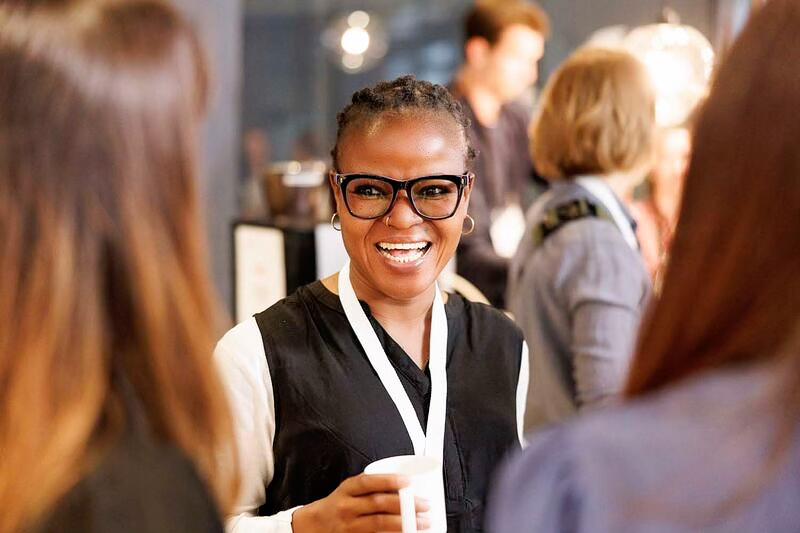
The science communication event attracted participants from different parts of Germany and some from the United States. Why did they leave their busy schedules to attend such an event? The answer lies in the growing recognition of the importance of science communication in today’s world. Academics see it as crucial to making their work accessible and impactful. Participants wanted to learn new techniques and exchange ideas about engaging with the public better. Science communication isn’t only about being an expert in your field but also about how well you can articulate your findings and the broader significance of your work. Such events also serve as networking opportunities where like-minded individuals can share best practices and inspire others to improve their outreach efforts. The Fulbright is known to allow for knowledge exchange among researchers worldwide.

This image shows the task we had to discuss about ourselves and our work within just one minute.

Now, let’s talk about the science communication event organized by Fulbright. It was a well-structured event that combined theoretical insights at the start of the workshop with practical exercises towards the end. Every session was designed to equip attendees with the skills to engage the public effectively. The event balanced a focus on key communication techniques like storytelling, visuals, infographics, and social media use, with opportunities for participants to implement some of these techniques. For instance, we were encouraged to do an Airplane pitch by introducing ourselves to our colleagues professionally and then talking about our research within one minute, assuming we met them on the plane. This is also known as the famous elevator pitch, where you briefly talk about yourself to someone within 30 seconds with the intent of making a connection with them, not forgetting points that are peculiar and important to you. We were advised to switch partners and discuss the same idea during this exercise. I struggled to communicate concisely on my first attempt but improved on my second and third attempts.

The award ceremony was one of the workshop’s most exciting parts. It was also inspirational.

My take-home message was that the Fulbright-organized science communication workshop in SaarbrĂźcken was an excellent experience.  The facilitators provided valuable insights and practical tips on effectively communicating complex scientific concepts to diverse audiences. I also learned new techniques that I can use to engage my students. Guess what? I used one of the techniques during the first class I taught, and it was really nice. I also got a bonus experience because an award ceremony was held during which two great scientists were given the Fulbright Cottrell 2024 awards, and I was lucky to be present at the event. The two awardees also articulated their prospective research in ways everyone could understand. Overall, the workshop reinforced the importance of clear and engaging scientific communication. Whether you’re a seasoned researcher or a student, learning how to communicate your work effectively is essential for making a broader impact. Thank you for reading until the end. I hope I didn’t take so much of your time!

A Bold Stand Against Bullying

I remember how I fought bullies when I was 10 years old.

Since I was young, I have had a tendency to refuse to be bullied. I probably inherited the courage from my parents because Adenike, when she was small, wouldn’t stand to be bullied and would fight with all her might. Two girls would always pick on me in primary school. Despite my warnings, they refused to stop. One day, when my aunt was not around, they came to my aunt’s shop and beat me up. Since they outnumbered me, I couldn’t handle them. I was hurt but didn’t tell anyone. The next day after school, I observed their routine. They would fetch water every afternoon, carrying buckets on their heads. In low-income communities in Nigeria, we always have water on our heads using buckets.

Armed with a cane similar to the one my uncle used for discipline, I waited for them to return with their water-filled buckets. When they did, I approached them and unleashed my anger. I gave them a thrashing they wouldn’t forget. At first, they were stunned, unsure how to react, but the memory of their attack on me fueled my determination. As I continued to lash out, they panicked, spilling their water as they fled. But I wasn’t done; I chased after them, continuing to deliver a beating. The bystanders who witnessed the scene were amazed at how the tables had turned. From that day on, those girls never bullied me again. Even now, I can’t help but laugh when I think about how I stood up to them.

Reflecting on this incident now, with the benefit of hindsight and maturity, I realize that while my actions effectively stopped the bullying, they weren’t necessarily the right approach. Bullying is a serious issue that can leave deep emotional scars, not just for the victim but for the bully as well. When someone bullies another person, they inflict harm that goes beyond physical pain, they damage self-esteem, create an environment of fear, and contribute to a culture of violence and mistrust.

By responding to bullying, as I did, I unwittingly perpetuated the same cycle of aggression that the bullies started. While it’s natural to want to defend oneself, it’s important to remember that there are more constructive ways to handle such situations. Seeking help from a trusted adult, like a teacher or family member, can provide the support needed to address the issue without resorting to violence. It’s also crucial to understand that bullies often act out of their own insecurities, fears, or personal struggles. Sometimes, they deal with problems at home or within themselves, expressing their frustration by targeting others. None of these should make them come for you, so you must speak up as soon as possible. Importantly, talk to your parents and never conceal any information from them.

Breaking the cycle of bullying requires more than just standing up for oneself. It requires a commitment to understanding, compassion, and finding peaceful resolutions. True courage isn’t just about fighting back; it’s about choosing the right way to handle difficult situations, even when challenging. It’s about recognizing that everyone, even bullies, has a story and that sometimes, the best way to stop bullying is to address the root causes rather than simply responding with force.

Even though I was glad that I stood up to them, I might choose a different approach in the future. I could seek help, confront my bullies with words instead of resorting to physical confrontation, and try to understand why they felt the need to pick on me in the first place. That intense experience taught me that standing up for myself is crucial, and I would not disappoint myself in that aspect of my life. It also taught me the value of finding better, more constructive ways to resolve conflicts. I now communicate more with people and have mentors whom I am fortunate to confide in. How have you responded to bullying? Share your story.

Embracing Positivity

Reflecting on my journey towards achieving mental well-being, I realize the immense impact of focusing on positivity and avoiding negativity. In a world where we face numerous stressors, challenges, and uncertainties, it is easy to get trapped in a cycle of negativity that can drain our energy and damage our mental strength. I try to avoid this cycle by preventing pessimistic thoughts and worries, even though I admit I don’t have everything together. However, I remind myself that everything will be alright regardless of any difficulties that come my way. I understand that not everyone can worry less, hence why I am writing this.

One of the most helpful strategies that helped me overcome negativity was practicing gratitude, cultivating a positive mindset, and mindfulness. Every day, I tried to count my blessings and name them one by one (just like a popular song says ). By adopting an attitude of gratitude, I shifted my focus from what I lacked (many for now) to appreciating what I already had – whether it was a warm cup of coffee, my family, my friends, or a meaningful conversation with someone close to me.

Another crucial aspect of cultivating positivity was learning to let go of toxic influences and surrounding myself with people and environments that uplifted me. This involved setting boundaries with negative individuals and prioritizing activities that brought me joy and fulfillment. I had a horrible experience in 2022 that made me realize that I needed to purge myself of negative people, and I am glad I did; of course, avoiding negativities doesn’t mean ignoring or suppressing difficult emotions. On the contrary, it’s about acknowledging, processing, reflecting, hoping, and then focusing on the positives whenever possible. It’s about finding balance amidst life’s ups and downs and nurturing a sense of inner peace and resilience.

Setting achievable goals is another powerful tool that has helped me achieve mental well-being. When I have a clear goal in mind, it gives some direction toward which I can channel my energy. This, in turn, keeps me motivated and helps me avoid negative thoughts and distractions. I also make sure to break down my goals into smaller, manageable tasks, which makes them less overwhelming and more achievable. With the help of Pomodoro (introduced to me by my amiable supervisor), small goals can be achieved within 25 minutes.  When I say goals, I don’t mean buying a car or a house or getting married within 25 minutes..lol.  

Finally, I have found that taking care of my physical health is vital for my mental well-being. Regular exercise and adequate sleep are essential for maintaining a healthy body and mind. I often speak positive affirmations to myself, which may seem strange to my flatmates, but it helps me remind myself of my purpose in life. So, let me ask you: How do you take care of yourself and your mental health?

Let’s talk about WASH!

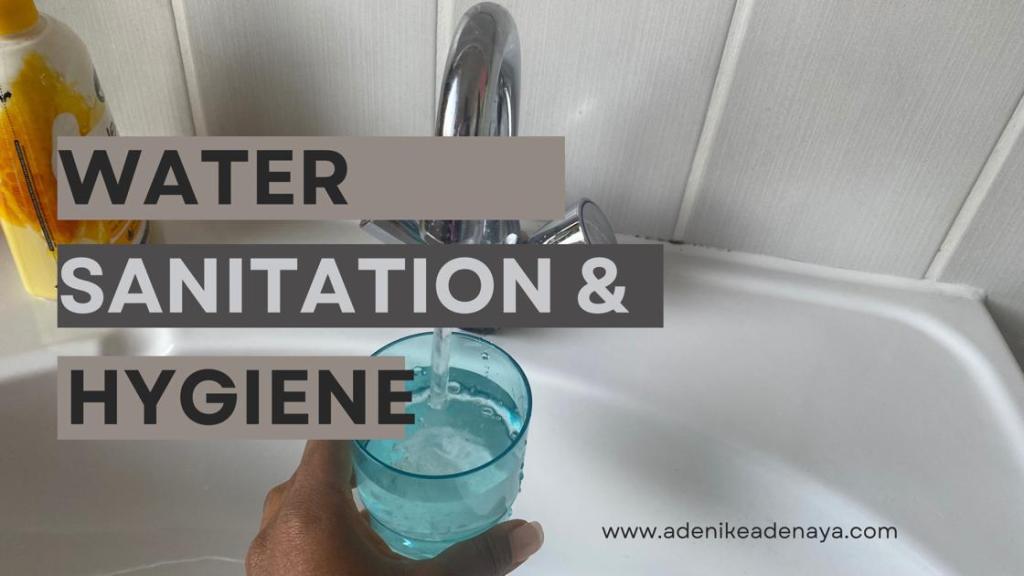
WASH stands for water, sanitation, and hygiene and we all know that these are fundamental to our health. WASH according to WHO is essential for our health and well-being. WASH contributes to our livelihood, keeps us away from hospitals, and increases our life span. Unfortunately, there is no adequate WASH in developing countries, especially in Nigeria, hence diseases like diarrhea, cholera, and malaria are still prevalent in the country. Did you know that diarrhea disease claims more than 150 thousand lives annually in Nigeria?  Most of the lives belong to children under the age of 5. The prevalence of the disease is therefore 19% in the country all because more than 70% of the population do not have access to safe water and a clean environment. Safe water should be accessible, available whenever possible, and free from contamination. Without safe water, it is almost impossible to maintain good sanitation and hygiene.

Impact-Site-Verification: 103b4007-c3f0-4436-9f58-1481b033342d

Did you also know that more than 93 thousand people had chlorella in Nigeria in 2021 out of which 3298 of them died due to the disease?  In 2022, there were 23,550 cholera cases, most of which were concentrated in the North. I am sure you are aware that 68 million malaria cases and 194,000 malaria-related deaths are reported annually in Nigeria. Other rampant diseases in the country include dysentery, hepatitis A, and typhoid.  So, you may be wondering, what have these got to do with WASH? Lack of adequate water forces residents to use and consume water contaminated with sewage water which carries various pathogens that cause diarrhea, cholera, and typhoid. In the case of malaria, the lack of adequate WASH creates an environment suitable for the profound breeding of mosquitoes that transmit the parasite from one person to the other.

To reduce the burden of these diseases, the government should take the responsibility of providing adequate and safe water to all communities, schools, markets, and workplaces including healthcare facilities and other public places. It is essential to ensure that everyone has access to clean and safe water sources and that hygiene and sanitation practices are integrated into community development programs. Don’t be surprised that many communities and some healthcare facilities do not have access to safe water. Marketplaces and local bus stations are the worst. What I am even saving? you can barely move around local bus stations (popularly called garages) like Oshodi, Ikorodu, Ojuelegba, etc. Everywhere smells of people’s urine because there are no toilets around.

As responsible citizens, we can play a significant role in reducing the spread of these diseases by practicing good WASH in our daily lives. First, we need to educate ourselves about the importance of WASH in maintaining our health and keeping our communities clean. Secondly, please always wash your hands with water when inside and disinfect your hands when outside because water may be unavailable. Thirdly, let’s reduce our waste generation and dispose of them properly. Do not dispose of your wastes into drainages as this creates stagnant water that facilitates the spread of disease within our communities. In addition, always use toilets or latrines and avoid open defecation or urination. Open defecation or urination is common in local bus stations and markets. When you defecate or urinate openly, there are 100 % chance that you will contaminate the available surface or underground water that people depend on. By working together and doing the right thing, we can ensure that our communities remain healthy and safe from infectious diseases.

Now let me ask you this, as a citizen, how else do you think you can enhance WASH practices with limited water resources and access?

Bad roads and how they affect our health.

I spent six weeks in Lagos, and it seems like things have worsened since my last visit. It seems like the city is not designed to accommodate the poor, yet it is filled with impoverished people. Inequality dominates more than ever before, and I wonder how people can still survive in these conditions. Everything was expensive, from transportation to food, accommodation, and almost non-existent electricity. It was alarming to see that even basic amenities like electricity were only available to those living in affluent areas. However, these issues will not be the topic of today’s blog.

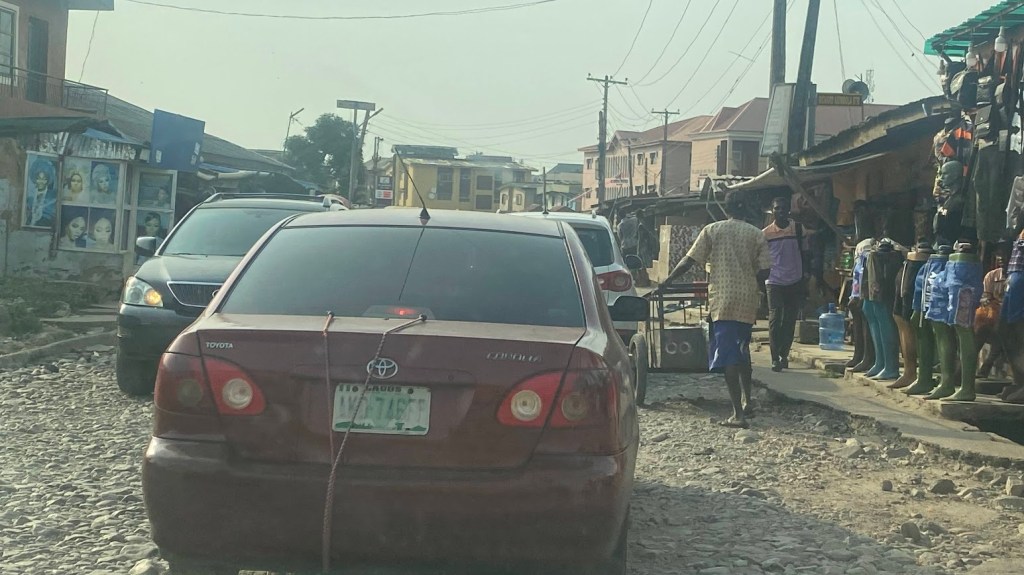
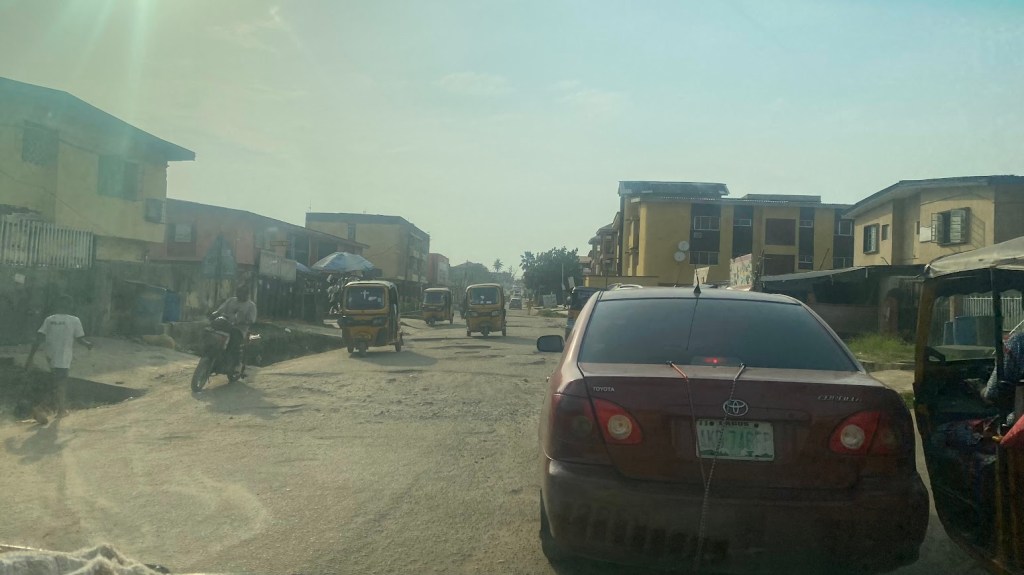
Population health is affected by transportation, and bad roads can be a major health problem. Imagine driving on a road that is full of potholes and uneven surfaces, just like the picture below depicts. It may seem like a minor inconvenience, but it is a serious public health concern that has been ignored for far too long. Consider the fact that not just one or two people are affected by these bad roads, but thousands of people travel on them every day. Think about the impact this has on their health and well-being. Poor road conditions significantly impact our physical and mental health. This blog post explores the varied health implications of bad roads and underscores the urgent need for better road infrastructure in Lagos and other states in Nigeria.

Photo: Adenike

Bad roads in most cases affect the physical health of daily commuters, and are notorious for causing vehicular accidents, leading to injuries ranging from minor bruises to severe trauma. But the impact of bad roads is more than accidents. Daily commuters navigating these roads often suffer from back pain, spinal issues, and posture-related problems due to constant jolting and vibrations. I wonder how Tricycle (Keke Napep) divers survive because they are the most affected by these bad roads. I plied the Ilasa Maja road and sleeping at night was more like a war as I suffered severe back pain and headaches throughout the night. According to research, bad roads also lead to bad cardiovascular health, hospitalization, disability, and premature death.

The impact of driving on poorly maintained roads on mental health is often neglected. The need for constant attention to avoid potholes and unexpected obstacles can lead to increased stress and anxiety experince not only by the drivers but also by the passengers. This chronic stress can contribute to long-term mental health issues such as depression and anxiety disorders. Thinking that you are about to take a particular route with a bad road to work or to school alone is mentally challenging. The frustration and anger caused by traffic jams on these roads can escalate to road rage, which affects our emotional well-being as well as our relationships with others.

Photo by: Adenike

Bad roads are therefore more than just a transportation issue. They are a significant public health concern that need to be addressed by all stakeholders. The physical and mental health impacts require the need for immediate action to improve road conditions by both the State and Federal governments.  As a community, we also have roles to play. We must push for better infrastructure and make conscious efforts to mitigate the effects of bad roads on our health. Remember, every journey towards better health begins with a single step, or in this case, a smooth and safe road for everyone.

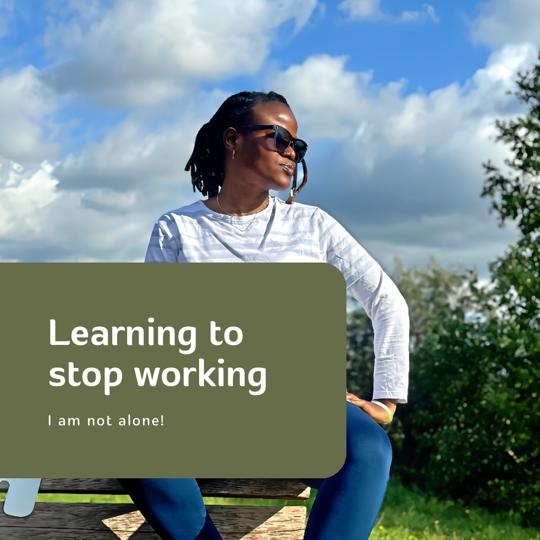
Learning to Stop Working

In today’s fast-paced world, the relentless demands of work often make it challenging to find the right balance between our professional and personal lives. I’ve been there, I am there, I am caught in the whirlwind of never-ending tasks, long work hours, and the constant urge to be productive. Like many people, I reached a point where I couldn’t ignore the signs of overworking any longer. I am at a point where I must admit that I am overextending myself, maybe I am experiencing the negative impacts on my overall well-being😒 .

Even if this was a pivotal moment of self-awareness, I could not help myself. I have always had the feeling of not reading enough, not writing enough, I haven’t analyzed that data yet. Oh, I need to read that article, this would be interesting to read… the need is endless. Oh, I set boundaries, I set many boundaries but not regarding studies. I cannot delegate hours for work and I cannot reclaim precious personal time and reduce the stress of reading, writing, and many more. What does it matter, I love to write and read anyway. These are the ways I get satisfaction😁 .

Don’t get me wrong. I prioritize self-care and I always put myself first. It’s just that I have difficulty finding fun in something else other than these. These are the activities I genuinely enjoy, and I hope to include other activities like visiting friends, going for a run, or taking a long walk. I love to meditate and sometimes, to do deep breathing exercises.  I know that I am not alone in this struggle. I know that many people face similar challenges. But I will keep trying and making small changes to improve my situation gradually, I know I will get here 😍.