

I spent six weeks in Lagos, and it seems like things have worsened since my last visit. It seems like the city is not designed to accommodate the poor, yet it is filled with impoverished people. Inequality dominates more than ever before, and I wonder how people can still survive in these conditions. Everything was expensive, from transportation to food, accommodation, and almost non-existent electricity. It was alarming to see that even basic amenities like electricity were only available to those living in affluent areas. However, these issues will not be the topic of today’s blog.
Population health is affected by transportation, and bad roads can be a major health problem. Imagine driving on a road that is full of potholes and uneven surfaces, just like the picture below depicts. It may seem like a minor inconvenience, but it is a serious public health concern that has been ignored for far too long. Consider the fact that not just one or two people are affected by these bad roads, but thousands of people travel on them every day. Think about the impact this has on their health and well-being. Poor road conditions significantly impact our physical and mental health. This blog post explores the varied health implications of bad roads and underscores the urgent need for better road infrastructure in Lagos and other states in Nigeria.
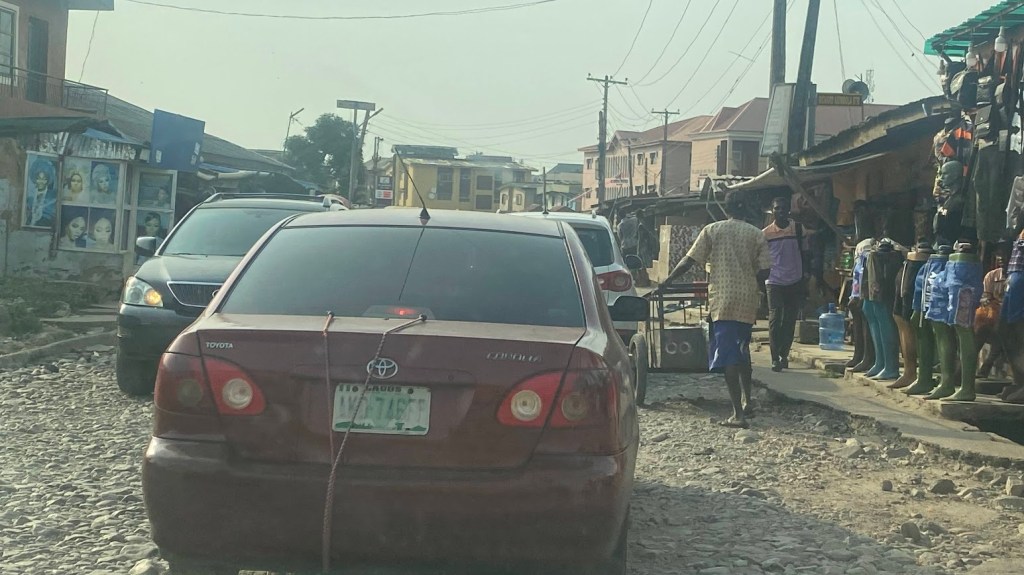
Bad roads in most cases affect the physical health of daily commuters, and are notorious for causing vehicular accidents, leading to injuries ranging from minor bruises to severe trauma. But the impact of bad roads is more than accidents. Daily commuters navigating these roads often suffer from back pain, spinal issues, and posture-related problems due to constant jolting and vibrations. I wonder how Tricycle (Keke Napep) divers survive because they are the most affected by these bad roads. I plied the Ilasa Maja road and sleeping at night was more like a war as I suffered severe back pain and headaches throughout the night. According to research, bad roads also lead to bad cardiovascular health, hospitalization, disability, and premature death.
The impact of driving on poorly maintained roads on mental health is often neglected. The need for constant attention to avoid potholes and unexpected obstacles can lead to increased stress and anxiety experince not only by the drivers but also by the passengers. This chronic stress can contribute to long-term mental health issues such as depression and anxiety disorders. Thinking that you are about to take a particular route with a bad road to work or to school alone is mentally challenging. The frustration and anger caused by traffic jams on these roads can escalate to road rage, which affects our emotional well-being as well as our relationships with others.
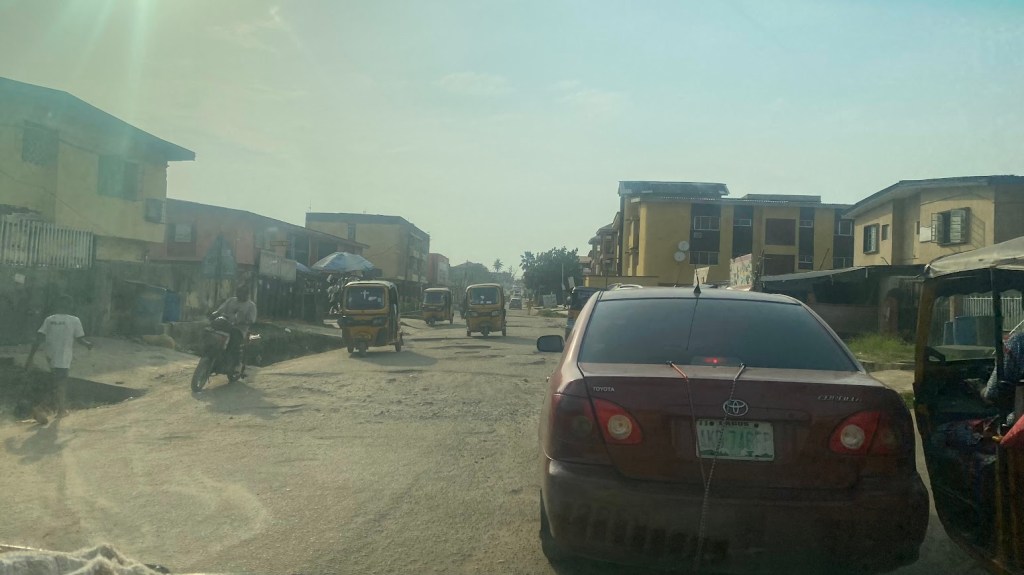
Bad roads are therefore more than just a transportation issue. They are a significant public health concern that need to be addressed by all stakeholders. The physical and mental health impacts require the need for immediate action to improve road conditions by both the State and Federal governments. As a community, we also have roles to play. We must push for better infrastructure and make conscious efforts to mitigate the effects of bad roads on our health. Remember, every journey towards better health begins with a single step, or in this case, a smooth and safe road for everyone.

 Everything Health and Education